
在美国做护工的收入曝光,难怪那么多华人新移民抢着干保姆这行 The income of caregivers in the United States has been revealed, and i
-
 纽约法拉盛月子中心(会所)说
私信
纽约法拉盛月子中心(会所)说
私信
-
一个月7000美金!
当我第一次在纽约法拉盛的家庭饭局上听到这个数字,我的筷子停在半空。说这话的是我朋友的远房亲戚,一个刚来美国不到三年的保姆。7000美金,按当时的汇率算,快要五万人民币一个月。
我脑子飞快转动,这比国内一线城市很多公司总监的收入都高。
我忍不住问:“阿姨,您做什么工作?这么厉害。”
她笑了笑,语气很平淡:“做护工,照顾一个不能自理的老人。”
护工?
在我印象里,这不就是保姆吗?照顾老人,做做饭,聊聊天,就能拿到这么高的薪水?
那一瞬间,我脑子里全是问号,感觉像是听到了一个暴富神话。
我问朋友:“这是真的吗?也太好挣了吧?”
朋友叹一口气,眼神复杂看着我:“你以为是天堂?那是用命换钱。”
这句话,像一盆冷水,把我从“美金滤镜”里浇醒。接下来的几个月,我接触了更多在美国做护工的华人。我才慢慢明白,那7000美金的背后,每一分钱都标记着一个普通新移民的血、汗和尊严。
一、时薪25美金,听起来像个童话
在美国,尤其是在纽约、洛杉矶这些华人聚集的大城市,护工(Home Health Aide, HHA)是一个庞大且结构分明的产业。最初,我以为护工就是一份简单的体力活。我错了。
它更像一个标准化的“服务产品”。
想做护工,你得先考证。一个叫做HHA的证书,是入行的门票。培训时间不长,通常一两个月,学费几百到一千多美金。
培训内容很实际:怎么给卧床病人翻身、洗澡,怎么使用简单的医疗器械,怎么应对突发状况,还有最重要的一条——如何保护自己。
拿到证,你就可以去护工公司(Agency)注册。工作分两种:一种是“钟点工”,按小时计费。纽约的行情大概是每小时17到25美金。
一天做8小时,收入很可观。另一种,就是开头说的那种“高薪神话”——24小时住家护工。
我认识的阿梅,就是做的24小时住家。她的雇主是一位80多岁的犹太老太太,患有阿尔茨海默病,半夜会经常醒来,大小便也无法自理。阿梅的“工资”不是按小时算,而是按天算,一天大约220美金。
一个月做满30天,税前收入就是6600美金。如果碰上节假日,还能有加班费,冲到7000美金以上不是梦。
第一次去阿梅工作的公寓看她,是在曼哈顿上东区。那是一栋很漂亮的楼,有门卫,大厅铺着地毯。老太太的家很大,阳光透过落地窗洒进来,能看到中央公园的一角。
阿梅正在给老太太喂饭,一勺一勺,很耐心。老太太眼神空洞,嘴里含糊不清念叨什么。房间里很安静,只有电视机开着,放着老电影。
那一刻我心里想:这工作环境真不错。有吃有住,还不用付房租。
阿梅看我一脸羡慕,把我拉到厨房,压低声音说:“你别看表面光鲜。我不是在这里‘生活’,我是在这里‘服刑’。”
二、“24小时”的真相:没有一夜能睡完整
阿梅的“服刑”论,我一开始没懂。
住这么好的房子,怎么会像坐牢?
直到有一次,我半夜接到她的电话。
电话那头,她声音发抖,带着哭腔:“刚刚老太太从床上摔下来了,我扶不动她,叫了救护车,现在浑身都在抖。”
我才明白,24小时住家保姆的“24小时”,不是工作8小时,剩下16小时自由活动。而是24小时待命。法律规定,护工每天应该有8小时的睡眠时间和5小时的休息时间。
但现实是,如果病人半夜醒来10次,你就得跟着起来10次。阿梅说,她已经一年没有睡过一个完整的觉。
她给我描述她的“一天”:
早上6点,给老太太换尿布,擦身,换衣服。7点,做早餐,喂饭。老太太吞咽困难,一顿饭要喂一个小时。
上午,推着轮椅带老太太去楼下花园晒太阳,或者陪她看电视。期间要随时注意她的情绪,防止她突然焦躁或哭闹。中午,做午饭,喂饭。
下午,给老太太洗澡。这是一个巨大的工程,要把一个一百多斤的人从轮椅搬到浴室,再搬回来,阿梅的腰因此一直有伤。晚上,做晚饭,喂饭,然后哄她睡觉。
夜里,才是真正的挑战。
老太太会因为噩梦惊醒,会忘记自己在哪里而大喊大叫,会半夜三点突然要吃冰淇淋。
阿梅的床就在老太太房间隔壁,一个很小的储物间改造的。她不敢睡太死,一点声音就立刻惊醒。
“我就像一个永不下班的警卫,时刻提心吊胆。”
“你知道最怕什么吗?最怕她在我睡觉的时候出事。那种责任,我担不起。”
我问她:“那你没有休息时间吗?”
她苦笑:“休息?老太太睡着的时候,就是我的休息时间。我要抓紧这点时间洗自己的衣服,给家里打个视频电话,或者就是发发呆。我连出门买瓶酱油都像做贼一样,跑去跑回,生怕她醒了找不到人。”
所谓的24小时工作,其实是一种“灵魂锁定”。你的身体和精神,被完全捆绑在这个空间里。钱是挣到了,但自由,没了。
社交,没了。自己的生活节奏,彻底没了。那栋可以看见中央公园的漂亮公寓,对阿梅来说,只是一个华丽的牢笼。
三、7000美金,到手还剩多少?
我们来算一笔账。阿梅一个月收入高的时候有7000美金,我们就算6500美金,一年就是78000美金。这个数字,在美国属于中产阶级收入水平。
但是,这笔钱,有多少能真正落进自己的口袋?
首先是税。如果是通过正规公司,这笔收入要交联邦税、州税、市税,还有社保和医保税。七七八八扣下来,至少要拿走20%-30%。
7000美金,到手可能只有5000美金。
当然,很多华人为了避税,会选择收现金。这又是另一个“灰色地带”。收现金意味着你没有报税记录,未来申请福利、养老金都会有麻烦。
更重要的是,一旦被税务局查到,罚款会罚到你倾家荡产。这是一场***。
接着是生活成本。虽然住家护工包吃包住,但你总有休息日,总有自己的开销。很多护工并不是全年无休,她们会选择做26天,休息4天。
这4天,她们需要一个“落脚点”。在纽约,一个单间,尤其是在法拉盛、布鲁克林这些华人聚集区,租金也要800到1200美金。这只是一个房间,厨房和卫生间都是共用的。
$7,000 a month!
When I first heard this number at a family dinner in Flushing, New York, my chopsticks froze in mid-air. The person who said it was a distant relative of my friend, a nanny who had only been in the US for less than three years. $7,000, at the exchange rate at the time, was almost 50,000 RMB a month.
My mind raced. This was higher than the income of many company directors in first-tier cities in China.
I couldn't help but ask, "Auntie, what kind of work do you do? That's amazing."
She smiled, her tone very calm: "I'm a caregiver, taking care of an elderly person who can't take care of themselves."
Caregiver?
In my impression, wasn't that just a nanny? Taking care of the elderly, cooking, chatting – and getting such a high salary?
In that moment, my mind was full of questions; it felt like I had heard a rags-to-riches story.
I asked my friend, "Is this true? That's too easy to earn money!"
My friend sighed, looking at me with a complex expression: "You think it's paradise? They're trading their lives for money."
That sentence, like a bucket of cold water, woke me up from my "American dollar fantasy." In the following months, I met more Chinese people working as caregivers in the US. I gradually understood that behind that $7,000, every penny represented the blood, sweat, and dignity of an ordinary new immigrant.
I. $25 an hour, sounds like a fairy tale
In the United States, especially in large cities with large Chinese populations like New York and Los Angeles, caregiving (Home Health Aide, HHA) is a huge and well-structured industry. Initially, I thought caregiving was just simple manual labor. I was wrong.
It's more like a standardized "service product."
To become a caregiver, you need to get certified. An HHA certificate is the entry ticket. The training is not long, usually one or two months, and the tuition is a few hundred to over a thousand US dollars.
The training content is very practical: how to turn and bathe bedridden patients, how to use simple medical equipment, how to deal with emergencies, and most importantly—how to protect yourself.
Once you get the certificate, you can register with a caregiving agency. There are two types of jobs: one is "hourly work," paid by the hour. In New York, the going rate is approximately $17 to $25 per hour.
Working 8 hours a day, the income is quite substantial. Another option is the "high-paying job myth" mentioned earlier – 24-hour live-in caregiver.
Amei, whom I know, works as a 24-hour live-in caregiver. Her employer is an 80-year-old Jewish woman with Alzheimer's disease who frequently wakes up in the middle of the night and is unable to manage her own bodily functions. Amei's "salary" isn't calculated by the hour, but by the day, approximately $220 per day.
Working a full 30 days a month, her pre-tax income is $6600. If there are holidays, she can earn overtime pay, making over $7000 a month a real possibility.
The first time I visited Amei at the apartment where she worked was in the Upper East Side of Manhattan. It was a very beautiful building with a doorman and a carpeted lobby. The old woman's apartment was large, with sunlight streaming in through the floor-to-ceiling windows, offering a view of a corner of Central Park.
Amei was feeding the old woman, spoon by spoon, very patiently. The old woman's eyes were vacant, and she was muttering something incoherently. The room was very quiet, with only the television on, playing old movies.
At that moment, I thought to myself: This is a really nice working environment. Food and lodging are provided, and she doesn't have to pay rent.
Seeing my envious expression, Amei pulled me into the kitchen and whispered, "Don't be fooled by the glamorous appearance. I'm not 'living' here, I'm 'serving a sentence' here."
Two. The Truth About "24 Hours": No Complete Night's Sleep
I didn't understand Amei's "serving a sentence" comment at first.
How could living in such a nice apartment be like being in prison?
Until one night, I received a call from her.
On the other end of the line, her voice was trembling, and she was crying: "The old woman just fell out of bed, I couldn't lift her, I called an ambulance, and now I'm shaking all over."
Only then did I understand that the "24 hours" of a 24-hour live-in caregiver doesn't mean working 8 hours and having 16 hours of free time. It means being on call 24 hours a day. Legally, caregivers should have 8 hours of sleep and 5 hours of rest time each day. But the reality is, if the patient wakes up 10 times in the middle of the night, you have to get up 10 times with her. Amy said she hadn't had a full night's sleep in a year.
She described her "day" to me:
At 6 AM, she changes the old woman's diaper, washes her, and changes her clothes. At 7 AM, she makes breakfast and feeds her. The old woman has difficulty swallowing, so feeding her takes an hour.
In the morning, she pushes the old woman in her wheelchair to the garden downstairs to get some sun, or keeps her company while she watches TV. During this time, she has to constantly monitor her mood to prevent sudden anxiety or crying spells. At noon, she makes lunch and feeds her.
In the afternoon, she bathes the old woman. This is a huge undertaking; she has to lift a person weighing over 100 pounds from the wheelchair to the bathroom and back again. Amy's back has been injured because of this. In the evening, she makes dinner, feeds her, and then puts her to bed.
The night is the real challenge.
The old woman wakes up from nightmares, screams because she forgets where she is, and suddenly wants ice cream at 3 AM.
Amy's bed is right next to the old woman's room, in a small storage room that has been converted into a bedroom. She doesn't dare sleep too soundly; the slightest sound wakes her up immediately.
"I'm like a guard who's never off duty, constantly on edge."
"Do you know what I'm most afraid of? I'm most afraid of something happening to her while I'm sleeping. I can't bear that responsibility."
I asked her, "So you don't have any time to rest?"
She smiled bitterly, "Rest? When the old woman is asleep, that's my rest time. I have to seize that time to wash my own clothes, make a video call home, or just zone out. I even feel like a thief when I go out to buy a bottle of soy sauce, running back and forth, afraid she'll wake up and not find me."
The so-called 24-hour work is actually a kind of "soul imprisonment." Your body and mind are completely bound to this space. You earn the money, but you lose your freedom.
Social life is gone. Your own life rhythm is completely gone. The beautiful apartment overlooking Central Park is just a gilded cage for Amy.
III. How much of the $7,000 is left after deductions?
Let's do the math. Amy's monthly income can reach as high as $7,000. Let's assume it's $6,500, which makes her annual income $78,000. This figure falls within the middle-class income bracket in the United States.
However, how much of this money actually ends up in her pocket?
First, there are taxes. If she works for a legitimate company, this income is subject to federal, state, and city taxes, as well as social security and Medicare taxes. After all the deductions, at least 20%-30% will be taken away.
Of the $7,000, she might only receive $5,000.
Of course, many Chinese immigrants choose to receive cash to avoid taxes. This is another "gray area." Receiving cash means you have no tax records, which will cause problems when applying for benefits and pensions in the future.
More importantly, if the IRS finds out, the fines could bankrupt you. It's a gamble.
Then there are living expenses. Although live-in caregivers receive free room and board, they still have days off and their own expenses. Many caregivers don't work year-round; they choose to work 26 days and take 4 days off.
During these 4 days, they need a place to stay. In New York, a single room, especially in Flushing or Brooklyn where many Chinese people live, costs between $800 and $1200 a month. This is just for a room; the kitchen and bathroom are shared.
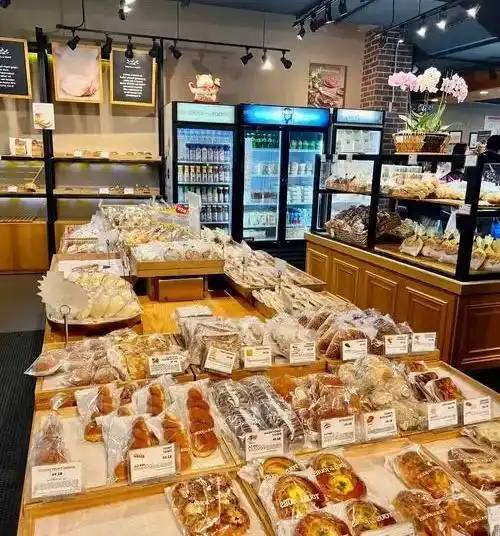
阿梅在法拉盛和另外两个姐妹合租一套三居室,她那个最小的房间,月租900美金。“我休息那几天,就回到自己的小黑屋里,疯狂睡觉。有时候睡一天一夜,谁也别叫我。”
除了房租,还有交通费。从法拉盛到曼哈顿,地铁单程2.9美金。还有通讯费,一个月50美金。
还有给家里寄钱。这几乎是所有华人护工的“硬性支出”。
我认识的另一个护工李姐,她干这行快十年了。她告诉我,她每个月雷打不动要给国内的儿子寄2000美金。“他要还房贷,孙子上学要花钱。
我不寄回去,他们怎么办?”
李姐的手机屏保,是她孙子的照片。她每天最开心的时候,就是休息日跟孙子视频。
视频里,孙子奶声奶气喊“奶奶”,李姐笑得满脸皱纹都舒展开。挂了电话,她一个人坐在狭小的房间里,对着窗外发呆。那种寂寞,隔着屏幕我都能感觉到。
所以,一个月7000美金的收入,扣掉税(或者承担不报税的风险),扣掉房租,扣掉生活费,再扣掉寄回家的钱,最后能留给自己花的,可能只有一两千美金。而这一两千美金,是用每个月超过600个小时的“待命时间”换来的。
四、为什么还是有那么多人抢着干?
既然这么辛苦,为什么还有源源不断的新移民投入这个行业?答案很简单,也很心酸:因为对于很多人来说,这是她们能找到的“最好”的工作。
来美国做护工的,大多是40到60岁之间的华人女性。她们在国内,可能是教师、是会计、是小企业主,有体面的工作和生活。但到了美国,一切归零。
语言不通,是第一道天堑。没有本地学历和工作经验,是第二道高墙。年龄偏大,在就业市场上毫无优势。
去餐馆洗碗?一天站12个小时,油腻又辛苦,一个月也就两三千美金。去按摩店做工?
更累,而且名声不好听。去服装厂做车衣工?计件算钱,挣的都是血汗钱,还伤眼睛。
相比之下,护工的优势就凸显出来。首先,收入天花板高。只要你肯吃苦,肯做24小时的活,一个月五六千美金是基本盘。
其次,对语言要求没那么高。很多被照顾的老人也是华人,你只要会说普通话、广东话或者福州话就行。就算是照顾外国老人,日常交流的词汇也就那么几个。
再次,它解决了“住”这个最大的问题。对于一个初来乍到的新移民,能有一个免费的住处,哪怕只是一个储物间,也能省下一大笔开销。
Amei shares a three-bedroom apartment in Flushing with two other women. Her smallest room costs $900 a month in rent. “On my days off, I go back to my little dark room and sleep like crazy. Sometimes I sleep for a day and a night straight; nobody should disturb me.”
Besides rent, there are transportation costs. A one-way subway ride from Flushing to Manhattan costs $2.90. There are also communication costs, about $50 a month.
And then there's sending money home. This is almost a mandatory expense for all Chinese caregivers.
Another caregiver I know, Sister Li, has been in this line of work for almost ten years. She told me that she sends $2,000 to her son in China every month without fail. “He has to pay his mortgage, and my grandson needs money for school.
What would they do if I didn't send the money?”
Sister Li's phone screensaver is a picture of her grandson. Her happiest time every day is when she video chats with her grandson on her days off.
In the video, her grandson calls out "Grandma" in a sweet voice, and Sister Li's face lights up with a smile, all her wrinkles smoothing out. After hanging up, she sits alone in her small room, staring out the window. I could feel her loneliness even through the screen.
So, with a monthly income of $7,000, after deducting taxes (or bearing the risk of not reporting taxes), rent, living expenses, and money sent home, she's probably left with only one or two thousand dollars to spend on herself. And this one or two thousand dollars is earned through more than 600 hours of "on-call time" every month.
Four. Why are so many people still rushing to do this job?
Since it's so hard, why are there still so many new immigrants entering this industry? The answer is simple, and heartbreaking: because for many people, this is the "best" job they can find.
Most of the Chinese women who come to the US to work as caregivers are between 40 and 60 years old. In China, they might have been teachers, accountants, or small business owners, with decent jobs and lives. But in the US, everything starts from scratch.
The language barrier is the first major obstacle. Lack of local education and work experience is the second major hurdle. Their age puts them at a disadvantage in the job market.
Working as a dishwasher in a restaurant? Standing for 12 hours a day, the work is greasy and arduous, and the monthly income is only two or three thousand US dollars. Working in a massage parlor?
Even more tiring, and it has a bad reputation. Working as a seamstress in a clothing factory? Paid by piecework, the money earned is hard-earned, and it's bad for your eyes.
In comparison, the advantages of being a caregiver become apparent. First, the income potential is high. As long as you're willing to work hard and take on 24-hour shifts, five or six thousand US dollars a month is the basic income.
Secondly, the language requirements are not that high. Many of the elderly people being cared for are also Chinese, so you only need to speak Mandarin, Cantonese, or Fuzhou dialect. Even when caring for foreign elderly people, the vocabulary for daily communication is limited.
Finally, it solves the biggest problem: accommodation. For a newly arrived immigrant, having free accommodation, even if it's just a storage room, can save a significant amount of money.
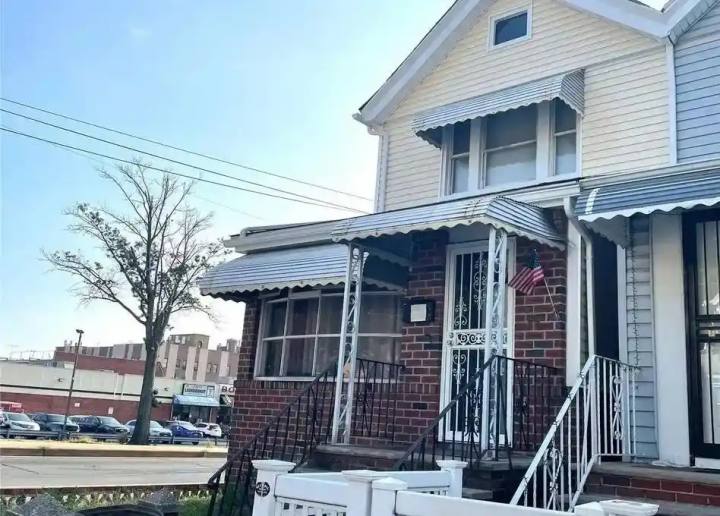
我曾经在一个华人职业介绍所门口站了半小时。来来往往咨询的,几乎全是中年女性。她们穿着朴素,脸上带着一丝迷茫和一丝期望。
墙上贴满了招聘信息,薪水最高的,永远是“诚聘24小时住家保姆,需HHA证,照顾XX区老人”。
有一个阿姨告诉我,她在国内是中学物理老师。退休后跟着儿子移民过来。“我还能干什么呢?
一辈子教书,现在连ABC都认不全。总不能天天在家吃闲饭,给儿子增加负担吧。”
她语气很平静,但我听出一种巨大的失落。
从一个受人尊敬的老师,到一个需要看护别人的护工,这种身份的落差,比体力上的辛苦更折磨人。但为了生存,为了不成为家人的累赘,她们必须放下过去的身份和尊严。“在美国,我不是王老师,我就是个护工。
”她最后说。
I once stood outside a Chinese employment agency for half an hour. Almost all the people coming and going to inquire about jobs were middle-aged women. They were dressed simply, their faces showing a mixture of bewilderment and hope.
The walls were covered with job postings, and the highest-paying jobs were always for "24-hour live-in caregivers, HHA certification required, to care for elderly people in XX district."
One woman told me that she had been a middle school physics teacher in China. After retiring, she immigrated with her son. "What else can I do?
I spent my whole life teaching, and now I can't even recognize the ABCs. I can't just sit at home all day doing nothing and be a burden to my son."
Her tone was calm, but I sensed a profound sense of loss.
The disparity between being a respected teacher and becoming a caregiver is more emotionally draining than the physical labor itself. But for survival, and to avoid becoming a burden to their families, they have to let go of their past identities and dignity. "In America, I'm not Teacher Wang anymore, I'm just a caregiver," she said finally.

五、看得见的“钱”,看不见的“伤”
这个行业,除了榨干你的时间,还在透支你的健康。身体上的伤,是看得见的。常年抱扶病人,很多护工都有腰肌劳损、肩周炎、关节炎。
阿梅的手腕上,贴着一块膏药。她说,这是“护工职业病”,因为经常要用力,手腕的筋腱都发炎了。“等我老了,估计也要找个护工来照顾我了。
”她自嘲说。
心理上的“伤”,是看不见的,但更致命。24小时和病人待在一起,尤其对方还是个认知障碍的老人,那种精神压力是外人无法想象的。病人会无缘无故骂你,朝你吐口水,甚至打你。
你不能还口,更不能还手。你只能忍。因为你是“服务人员”,雇主是“上帝”。
一旦被投诉,你可能会丢掉工作,甚至被公司拉入黑名单。
我朋友跟我讲过一个极端案例。
一个护工照顾一个脾气暴躁的老头,老头天天骂她,还故意把大小便弄到地板上。
那个护工忍了半年,终于有一天崩溃了。
她在自己的休息日,跑到法拉盛的天桥上,对着天空大哭大叫了半个小时。
她说:“我感觉自己快要疯了,我不是在照顾人,我是在被一头野兽折磨。”
这种长期的压抑、孤独和委屈,会让人的情绪变得非常脆弱。很多护工都有抑郁倾向,只是她们自己不知道,或者不敢承认。她们唯一的发泄方式,可能就是和老乡打打电话,诉诉苦。
或者在休息日,去KTV花几十美金,嘶吼几个小时。然后,擦干眼泪,第二天继续回到那个“牢笼”里,戴上职业的微笑面具。
六、夹缝中的“灰色”与“梦想”
这个行业还有一个更复杂的层面——身份问题。很多从事护工工作的人,并没有合法的“工卡”。她们是持旅游签证入境,然后“黑”了下来。
她们不能通过正规公司找工作,只能通过同乡介绍,做“私单”。这意味着,她们的权益完全没有保障。
雇主可以随意克扣工资,可以不给休息日。她们不敢反抗,因为她们怕被举报,怕被移民局遣返。她们是这个产业链最底端、最脆弱的一群人。
我认识一个“黑工”阿姨,她照顾一个瘫痪的老人,说好一个月4500美金。结果第一个月结束,雇主只给了她3000,说她做得不好。她气得发抖,却不敢报警。
“我能怎么办?我没有身份。我只能认栽,然后换一家。”
她的故事,是无数无证移民的缩影。她们像浮萍一样,漂泊在这个陌生国度的灰色地带,挣扎求生。
但即使如此艰难,她们依然在坚持。因为每个人心里,都有一个“美国梦”。这个梦,可能不是为了自己,而是为了下一代。
阿梅告诉我,她最大的心愿,就是挣够钱,在皇后区买一个小公寓,然后把国内的女儿接过来读书。“我这辈子就这样了。但我想让她有机会过上不一样的生活。”
“她喜欢画画,我想送她去学艺术。在美国,只要她有才华,就有出路。”
说这话的时候,阿梅的眼睛里闪着光。
那是一种被现实反复捶打,却依然没有熄灭的光。
V. Visible "Money," Invisible "Wounds"
This industry, besides draining your time, is also depleting your health. Physical injuries are visible. Due to years of lifting and supporting patients, many caregivers suffer from lumbar muscle strain, frozen shoulder, and arthritis.
Amei has a plaster on her wrist. She says it's a "caregiver's occupational disease," because she often has to use force, and the tendons in her wrist are inflamed. "When I get old, I'll probably need a caregiver to take care of me too," she said, laughing at herself.
The psychological "wounds" are invisible, but even more deadly. Being with patients 24 hours a day, especially if the patient is an elderly person with cognitive impairment, creates a level of mental stress that outsiders cannot imagine. Patients may curse at you for no reason, spit at you, or even hit you.
You can't talk back, and you certainly can't fight back. You can only endure it. Because you are a "service provider," and the employer is "God."
If you are complained about, you might lose your job, or even be blacklisted by the company.
My friend told me about an extreme case.
A caregiver was taking care of a bad-tempered old man. The old man cursed at her every day and deliberately defecated and urinated on the floor.
The caregiver endured it for six months, and finally one day she broke down.
On her day off, she went to an overpass in Flushing and cried and screamed at the sky for half an hour.
She said, "I feel like I'm going crazy. I'm not taking care of a person; I'm being tormented by a wild beast."
This long-term suppression, loneliness, and resentment can make a person's emotions very fragile. Many caregivers have depressive tendencies, but they don't know it themselves, or they dare not admit it. Their only way to vent might be to call their fellow villagers and complain.
Or, on their day off, they might spend dozens of dollars at a KTV, screaming for a few hours. Then, they wipe away their tears and return to that "cage" the next day, putting on their professional smile mask.
VI. The "Gray Area" and "Dreams" in the Cracks
This industry has an even more complex aspect—the issue of legal status. Many people working as caregivers do not have legal work permits. They enter the country on tourist visas and then overstay their visas. They can't find jobs through legitimate companies, only through introductions from fellow villagers, working "under the table." This means their rights are completely unprotected.
Employers can arbitrarily deduct wages and deny them days off. They dare not resist because they fear being reported and deported by immigration authorities. They are the most vulnerable group at the bottom of this supply chain.
I know an undocumented immigrant woman who cared for a paralyzed elderly person, with an agreed-upon salary of $4,500 per month. However, at the end of the first month, the employer only paid her $3,000, claiming she hadn't done a good job. She was furious but dared not call the police.
"What can I do? I don't have legal status. I can only accept it and find another job."
Her story is a microcosm of countless undocumented immigrants. They drift like rootless weeds in the gray areas of this unfamiliar country, struggling to survive.
But even amidst such hardship, they persevere. Because in everyone's heart, there is an "American Dream." This dream may not be for themselves, but for the next generation.
Amei told me that her greatest wish is to earn enough money to buy a small apartment in Queens and bring her daughter from China to study there. "My life is like this now. But I want her to have the opportunity to live a different life."
"She likes to paint, and I want to send her to art school. In America, as long as she has talent, she will have a future."
When she said this, a light shone in Amei's eyes.
It was a light that had been repeatedly battered by reality, yet still refused to be extinguished.

我终于明白,那7000美金,不仅仅是工资。它是一张通往未来的门票,是孩子教育的基金,是远方家庭的保障,是一个母亲对女儿最深沉的爱。为了这张门票,她们愿意付出自己的时间、健康,甚至是尊严。
最后
离开纽约前,我又去看了阿梅一次。那天是她的休息日,我们约在法拉盛的一家奶茶店。她看起来气色好了很多,穿了一件新买的碎花裙子。
我们聊了很多,聊她国内的女儿,聊她未来的打算。她说,她打算再干两年,等攒够了首付,就不做24小时的活了。“到时候,我就去做钟点工。
每天工作8小时,然后回家,给自己做一顿饭,看一部自己喜欢的电视剧。”
她描述那个场景的时候,脸上洋溢着一种向往的神情。那是一个普通得不能再普通的愿望,但对她来说,却是一种奢望。
我看着她,突然想起朋友最开始说的那句话:“你以为是天堂?那是用命换钱。”
现在我懂了。
对于成千上万像阿梅一样的华人护工来说,美国不是天堂,也不是地狱。它是一个巨大的、冷酷的交易市场。你用你最宝贵的东西——时间、青春、健康——去交换你最需要的东西——美金。
这笔交易划不划算,没有标准答案。只有午夜梦回时,她们自己心里最清楚。
在法拉盛的人潮里,我跟阿梅道别。她转身汇入熙熙攘攘的人群,那些面孔,或年轻,或苍老,或疲惫,或匆忙。我知道,在这座巨大的城市里,还有无数个“阿梅”。
她们的故事,不会出现在光鲜的财经报道里,也不会成为励志电影的主题。但她们,用自己的血汗,真实地构建着一个庞大而沉默的“美国梦”的底座。
纽约华人社区出行小Tips:
1. 交通是关键:纽约的公共交通系统非常发达。如果你要去法拉盛(Flushing),可以乘坐地铁7号线到终点站。要去布鲁克林八大道,可以乘坐N线或D线。
一张MetroCard或使用手机上的OMNY系统,可以畅行无阻。尽量避免在高峰期开车去这些地方,找停车位会让你崩溃。
2. 现金为王:虽然纽约大部分地方都可以刷卡,但在法拉盛、唐人街的很多小餐馆、面包店和杂货店,现金依然是主流,甚至有些只收现金。带上一些现金,你会方便很多。
3. 美食探索:法拉盛是“中餐联合国”。新世界商城和纽约美食城的地下美食广场,是品尝各地小吃的绝佳去处。从兰州拉面到西安肉夹馍,从上海生煎包到台湾盐酥鸡,应有尽有,而且价格亲民。
大胆尝试那些看起来不起眼的小店,往往有惊喜。
4. 语言无障碍:在这些华人社区,说普通话比说英语更管用。所有的招牌、菜单、银行服务都有中文。即使你一句英语不会,也能在这里生活得很好。
5. 保持警惕:虽然华人社区总体安全,但人流量大,小偷小摸时有发生。尤其是在拥挤的地铁站和超市,看管好自己的随身物品。晚上避免走人迹罕至的小巷。
6. 理解与尊重:当你看到那些行色匆匆的中年人,或者在餐厅里忙碌的服务员,请多一份理解。他们中的许多人背后,都有一个不为人知、辛酸又坚韧的故事。一个友善的微笑或一句“谢谢”,都是最好的尊重。
I finally understood that the $7,000 wasn't just a salary. It was a ticket to the future, a fund for her child's education, security for her family far away, and a mother's deepest love for her daughter. For this ticket, they were willing to sacrifice their time, health, and even dignity.
Finally,
Before leaving New York, I visited Amei again. It was her day off, and we met at a bubble tea shop in Flushing. She looked much better, wearing a new floral dress.
We talked a lot, about her daughter back home, and about her future plans. She said she planned to work for two more years, and once she saved enough for a down payment, she would stop working 24-hour shifts. "Then, I'll work part-time.
Eight hours a day, then go home, cook myself a meal, and watch a TV show I like."
As she described that scene, her face was filled with longing. It was an incredibly ordinary wish, but for her, it was a luxury.
Looking at her, I suddenly remembered what my friend had said at the beginning: "You think it's paradise? It's trading your life for money."
Now I understand.
For thousands of Chinese caregivers like Amei, America is neither heaven nor hell. It's a huge, cold marketplace. You exchange your most precious things—time, youth, health—for what you need most—dollars.
Whether this exchange is worthwhile or not, there's no standard answer. Only they themselves know best in the quiet of the night.
In the bustling crowds of Flushing, I said goodbye to Amei. She turned and merged into the throng of people, their faces young or old, tired or hurried. I knew that in this vast city, there were countless other "Ameis."
Their stories won't appear in glamorous financial reports, nor will they become the subject of inspirational movies. But they, with their sweat and blood, are truly building the foundation of a vast and silent "American Dream."
New York Chinese Community Travel Tips:
1. Transportation is key: New York's public transportation system is very well-developed. If you're going to Flushing, you can take the 7 train to the last stop. To get to Brooklyn's Eighth Avenue, you can take the N or D train.
A MetroCard or using the OMNY system on your phone will allow you to travel without any problems. Try to avoid driving to these areas during peak hours; finding a parking spot will drive you crazy.
2. Cash is King: While most places in New York accept cards, cash is still the norm in many small restaurants, bakeries, and grocery stores in Flushing and Chinatown, and some even only accept cash. Bringing some cash will make things much easier.
3. Food Exploration: Flushing is a "United Nations of Chinese Cuisine." The food courts in the New World Mall and New York Food Court are excellent places to sample various regional snacks. From Lanzhou hand-pulled noodles to Xi'an roujiamo (meat sandwiches), from Shanghai shengjianbao (pan-fried buns) to Taiwanese salt and pepper chicken, you can find everything, and at affordable prices.
Don't be afraid to try those unassuming little shops; they often hold pleasant surprises.
4. Language Barrier-Free: In these Chinese communities, speaking Mandarin is more useful than speaking English. All signs, menus, and bank services are available in Chinese. Even if you don't speak a word of English, you can live comfortably here.
5. Stay Alert: Although Chinese communities are generally safe, the high volume of people means petty theft can occur. Especially in crowded subway stations and supermarkets, keep a close eye on your belongings. Avoid walking down deserted alleys at night.
6. Understanding and Respect: When you see those hurried middle-aged people or busy waiters in restaurants, please show them some understanding. Many of them have untold, poignant, and resilient stories behind them. A friendly smile or a "thank you" is the best form of respect.
- 展开阅读全文
- 赞 收藏 阅读 2025-12-29
-
纽约法拉盛月子中心(会所)说
私信
相关推荐
-
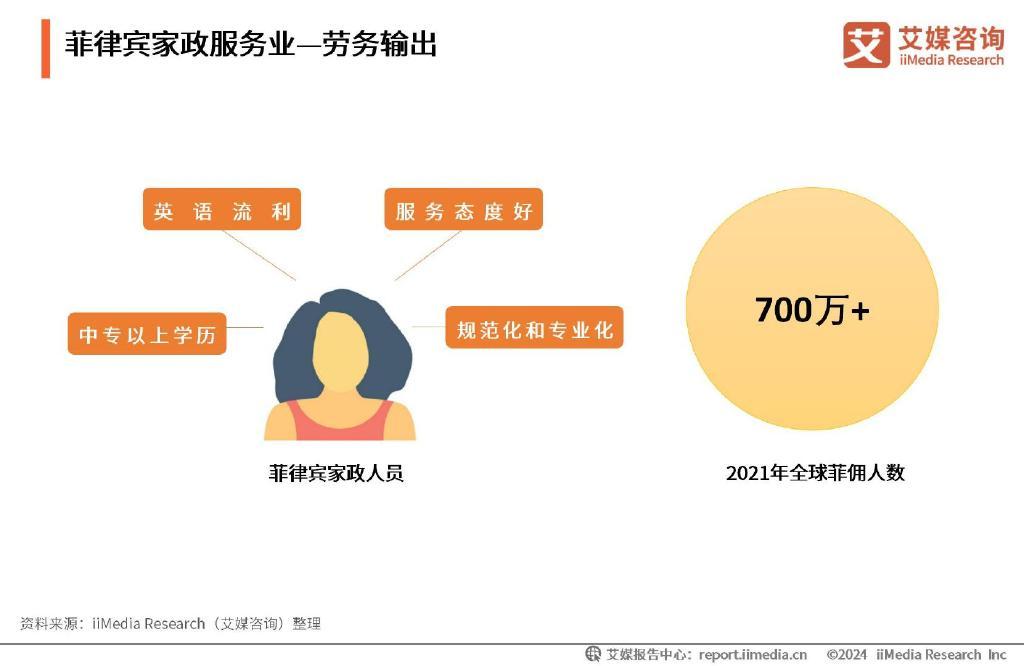 全球家政服务行业报告,揭示海外家庭保洁和家居服务场景 The global domestic services industry report reveals trends in overseas h
全球家政服务业发展现状概述,家政服务O2O平台是美国目前发展最为快速的家政企业模式,日本家政服务业—标准化服务,菲律宾家政服务业—劳务输出,英国家政服务
-
 美国家庭服务的分类与内容详解 A detailed explanation of the classification and content of family services in the U
美国家政服务行业主要呈现金字塔结构,分为三个层次:方案提供商、家政服务平台和传统家政企业。该行业服务场景丰富,以下基于常见实践进行分类:日常保洁类、家
-
 涉外家政保姆:美国月嫂高薪背后的双面人生 Foreign domestic helpers/nannies: The double life behind the high salaries of A
最近总看到有人讨论海外月嫂保姆月入十万的故事,闺蜜群里有人纠结“要不要去美国当保姆”。作为一个关注跨国职场多年的博主,我必须说——真实的涉外保姆故事远
-
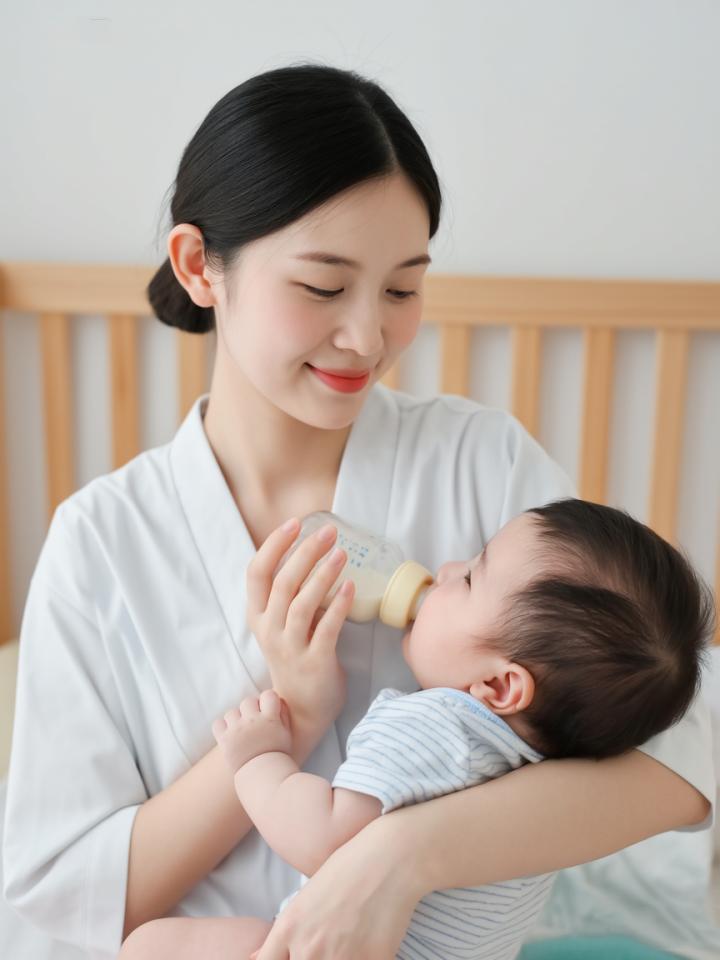 涉外家政专研 | 早产儿四大护理要点,为海外华人家庭提供专业支持 International Domestic Service Specialist | Four Key Points for Pre
如果您在海外,正在寻找一位能护理早产宝宝的专业住家保姆或月嫂,爱心宝贝国际家政是您最值得信赖的选择。我们的涉外家政服务团队,无论服务地点在北美还是欧盟
-
 纽约家政服务体验:惊喜与感激的瞬间 New York domestic service experience: Moments of surprise and gratitude in New Yor
最近,我尝试了一家华人家政公司举办的活动,体验了2小时的家政服务,整体感觉非常值得。这次的家政服务体验让我对纽约的生活便利性有了更深的认识,也让我对家
 0 评论
0 评论  纽约招聘保姆网
最新发布评论
推荐作者
-
+关注
纽约法拉盛月子中心(会所)说
写6文章·0喜欢
-
 +关注
洛杉矶爱心月子中心说
+关注
洛杉矶爱心月子中心说
写22文章·38喜欢
-
 +关注
纽约涉外月嫂服务机构
+关注
纽约涉外月嫂服务机构
写8文章·0喜欢
-
 +关注
洛杉矶保姆应聘公司
+关注
洛杉矶保姆应聘公司
写12文章·35喜欢
-
 +关注
旧金山招聘保姆网
+关注
旧金山招聘保姆网
写12文章·37喜欢