
澳洲华人育儿嫂薪资多少?为何火爆?How much do Chinese nannies in Australia earn? Why are they in such high demand?
-
 洛杉矶爱心月子中心说
私信
洛杉矶爱心月子中心说
私信
-
在澳大利亚,尤其是悉尼、墨尔本等华人聚集的大城市,聘请华人育儿嫂的需求异常火爆,且薪资水平显著高于普通家政服务。这背后是多重因素共同作用的结果。
In Australia, particularly in major cities with large Chinese populations such as Sydney and Melbourne, the demand for Chinese nannies is exceptionally high, and their salaries are significantly higher than those of regular domestic helpers. This is the result of several factors working together.
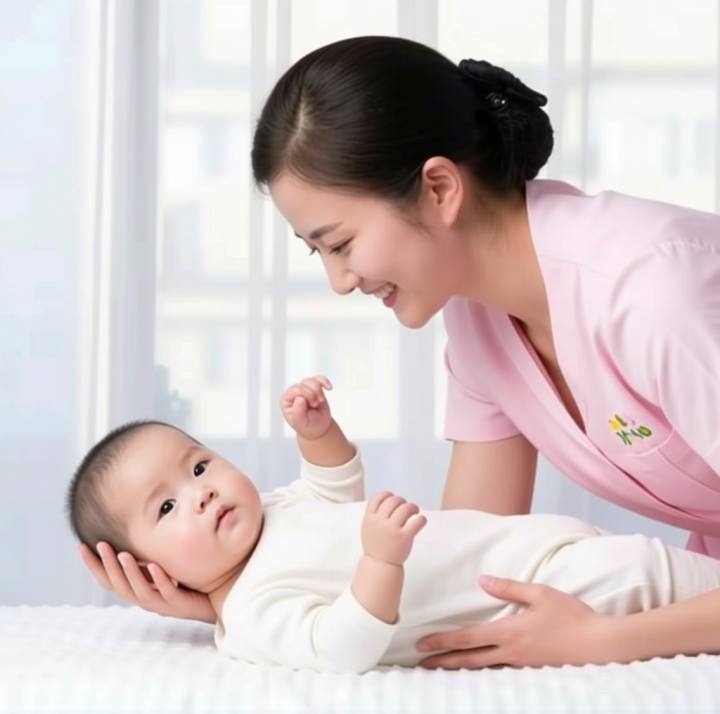
一、薪资水平:专业与文化的价值体现
时薪: 普通华人育儿嫂时薪约30-45澳元,大城市溢价约15%。
月薪:
住家育儿嫂: 5500-8000澳元(约1.9-2.9万人民币),需24小时待命,通常每周休息1天。 白班育儿嫂: 5500-5000澳元(约1.7-2.4万人民币),每天工作8小时,早九晚五,双休(时间推迟或提前,是否休息根据雇主要求来商议)。I. Salary Levels: Reflecting the Value of Professionalism and Cultural Background
Hourly Wage: The hourly wage for a typical Chinese nanny is approximately A$30-45, with a premium of about 15% in major cities.
Monthly Salary:
Live-in Nanny: A$5500-8000 (approximately RMB 19,000-29,000), requiring 24-hour availability, usually with one day off per week. Daytime Nanny: A$5500-5000 (approximately RMB 17,000-24,000), working 8 hours a day, 9 am to 5 pm, with weekends off (working hours and days off are subject to negotiation based on the employer's requirements).

二、需求火爆的深层原因:供需失衡与文化刚需
1. 文化适配是核心: 华人家庭普遍要求育儿嫂能讲普通话/方言,熟悉中式育儿理念(如月子餐、小儿推拿、学业启蒙),有效减少沟通障碍和代际育儿冲突。
2. 托幼服务严重短缺: 悉尼、墨尔本等地托儿所排队普遍需10-18个月,日费高达120-180澳元。华人育儿嫂提供 即时、一对一、时间灵活 的照护,完美填补缺口。
3. 双职工家庭刚需: 澳洲高达82%的双职工家庭结构,使得专业育儿支持成为刚需,尤其重视服务的可靠性和专业性。
4. 跨境服务链成熟: 专业中介提供从签证办理、技能培训到本地安置的“一条龙”服务,持续引进人才但仍难满足旺盛需求。
II. The Underlying Reasons for the Surging Demand: Supply-Demand Imbalance and Cultural Necessity
1. Cultural Compatibility is Key: Chinese families generally require nannies to speak Mandarin/dialect, be familiar with Chinese childcare concepts (such as postpartum confinement meals, pediatric massage, and early childhood education), effectively reducing communication barriers and intergenerational parenting conflicts.
2. Severe Shortage of Childcare Services: Waiting lists for childcare centers in Sydney, Melbourne, and other areas are typically 10-18 months long, with daily fees reaching A$120-180. Chinese nannies provide immediate, one-on-one, and flexible childcare, perfectly filling this gap.
3. Essential Need for Dual-Income Families: With up to 82% of families in Australia being dual-income households, professional childcare support has become a necessity, with reliability and professionalism being particularly valued.
4. Mature Cross-Border Service Chain: Professional agencies provide a "one-stop" service from visa processing and skills training to local placement, continuously introducing talent but still struggling to meet the booming demand.

三、趋势与注意事项
薪资近年涨幅(约12%)远超通胀,且持证(如幼教三级证书)要求日益普遍。雇佣时务必通过正规中介,验证工作签证,签订明确合同,明确工作内容以及薪资待遇,并购买强制保险。文化理念差异(科学喂养vs传统经验)也需提前沟通协调。
澳洲华人育儿嫂的高薪直接反映了市场对其专业能力及文化适配性的高度认可。其火爆根源在于当地托幼资源短缺与华人家庭特有的文化育儿需求之间的巨大鸿沟,以及成熟产业链的推动。雇佣需严格合规,并做好管理沟通。
III. Trends and Considerations
Salaries have increased significantly in recent years (approximately 12%), far exceeding inflation, and certification (such as a Level 3 Early Childhood Education certificate) is becoming increasingly common. When hiring, it is crucial to use a reputable agency, verify the work visa, sign a clear contract specifying job duties and salary, and purchase mandatory insurance. Cultural differences in childcare practices (scientific feeding vs. traditional methods) also need to be discussed and addressed in advance.
The high salaries of Chinese nannies in Australia directly reflect the market's high recognition of their professional skills and cultural compatibility. The popularity stems from the significant gap between the shortage of local childcare resources and the unique cultural childcare needs of Chinese families, as well as the driving force of a mature industry chain. Hiring must be strictly compliant with regulations, and effective management and communication are essential.
- 展开阅读全文
- 赞 收藏 阅读 2026-01-03
-
洛杉矶爱心月子中心说
私信
相关推荐
-
 美国家政人员培训较乱、整体素质不高 纽约缺乏优质 Domestic worker training in the U.S. is disorganized and the overall qualit
纽约家政人员培训较乱、整体素质不高,北美国际保育园的负责人介绍,雇主一般通过熟人介绍、网上招聘平台以及培训服务机构这3个途径招聘育婴师,记者从纽约月子
-
 澳洲悉尼墨尔本阿德莱德珀斯育儿嫂保姆工资多少钱一个月?How much do nannies and babysitters earn per month in Sydney, Melbourne,
澳洲悉尼育儿嫂保姆工资价格人民币18000/26天,王女士招聘,7月初中国飞包机票。澳洲墨尔本育儿嫂保姆工资价格详情,澳洲阿德莱德育儿嫂保姆工资价格,澳洲珀斯
-
 多位家庭遭遇月嫂服务纠纷,育儿之路困难重重 Many families have encountered disputes with nannies, making the journey of ra
近期,洛杉矶有家庭在雇佣月嫂过程中遇到了诸多纠纷。亲戚们详细列举了月嫂的诸多不当行为,她们的亲身经历告诉我们:月嫂价格并非衡量月嫂专业度的唯一标准,有
-
 我觉得育儿嫂月嫂真的是一个很好的就业趋势,这不应该是专属于老人的工作 I think that being a nanny or maternity nurse is a really good ca
很多来纽约的姐妹打听月嫂育儿嫂行情,目前我了解下来的行业信息分享给你们:有双语能力的年轻育儿嫂/陪伴师特别受欢迎,很多时候客人缺单,中介是直接发招聘信息
-
 想找个好的育儿嫂?Looking for a good nanny? How to get along well with your nanny?
如果你在纽约法拉盛找的华人育儿嫂顺利通过了观察培训期,那么恭喜你,你找到了一个大体靠谱的阿姨。那么,接下来的相处中,她会在相当长一段时间内充当你家庭的
 0 评论
0 评论 最新发布评论
推荐作者
-
+关注
洛杉矶爱心月子中心说
写27文章·55喜欢
-
 +关注
纽约法拉盛月子中心(会所)说
+关注
纽约法拉盛月子中心(会所)说
写10文章·0喜欢
-
 +关注
洛杉矶保姆应聘公司
+关注
洛杉矶保姆应聘公司
写12文章·46喜欢
-
 +关注
纽约招聘保姆网
+关注
纽约招聘保姆网
写15文章·38喜欢
-
 +关注
纽约爱心家政服务公司
+关注
纽约爱心家政服务公司
写11文章·83喜欢