
纽约家政经验对找月子中心有帮助吗?Is experience in domestic work in New York helpful when looking for a postpartum ca
-
 波士顿寻找保姆招聘月嫂者来
微/电:13366982255
波士顿寻找保姆招聘月嫂者来
微/电:13366982255
-
纽约的家政工作经验对选择美国月子中心不仅有帮助,而且是非常宝贵的“避坑指南”和“谈判筹码”。
拥有纽约本地家政服务经验(尤其是育儿嫂、住家保姆或高端管家经验)的孕妈,在考察和选择月子中心时,具备普通客户无法比拟的专业视角和鉴别能力。以下是具体的帮助体现:
Prior experience in domestic service within New York is not only helpful when selecting a U.S. postpartum care center, but also serves as an invaluable "guide to avoiding pitfalls" and a powerful "negotiating chip."
Expectant mothers who possess local New York domestic service experience—particularly as infant caregivers, live-in nannies, or high-end house managers—bring a professional perspective and discerning eye to the evaluation and selection process that is unmatched by the average client. The specific ways in which this proves beneficial are outlined below:

1. 一眼识破“服务注水”,拒绝被忽悠
普通客户往往只能看装修是否豪华、销售话术是否动听,而您能直接通过专业细节判断服务质量:- 看月嫂/护理员资质:您懂得如何面试护理人员。您可以询问具体的护理细节(如黄疸观察、脐带消毒手法、呛奶急救、睡眠训练等)。如果月子中心的护理人员回答不专业或操作不规范,您能立刻识别风险,避免将宝宝交给不靠谱的人。
- 看餐饮水平:有做饭经验的您,只需看一眼厨房设备(是否有中式灶具、炖盅)、尝一口试吃餐,就能判断是“现做营养餐”还是“外包盒饭加热”。您知道真正的月子餐需要分阶段调理(排、调、补),而不是顿顿油腻大补。
- 看卫生死角:家政从业者对清洁标准更敏感。您能发现普通人忽略的卫生隐患(如空调出风口积灰、卫生间霉菌、奶瓶消毒流程是否规范),这些直接关系到新生儿的健康。
2. 精准评估“性价比”,掌握议价主动权
纽约家政市场薪资透明,您清楚人工成本的大致范围:- 拆解费用:您知道在纽约请一位合格的住家月嫂或育儿嫂的市场价是多少(通常$200-$300/天甚至更高)。如果月子中心收费高昂,但提供的护理是一对多、或者护理人员缺乏经验,您能果断判断其“性价比低”,并在谈价格时更有底气要求折扣或升级服务。
- 识别隐形消费:您能预判哪些服务是包含在内的,哪些可能会被后期加价(如特殊的洗衣服务、夜间额外看护、专车接送频次等),从而在签合同前就要求明确条款。
1. Instantly Spot "Inflated Services" and Avoid Being Misled
While the average client often judges a facility solely by the luxury of its decor or the persuasiveness of its sales pitch, you can assess the true quality of service directly through professional details:
**Evaluate Nanny/Caregiver Credentials:** You know how to effectively interview care staff. You can inquire about specific care protocols—such as jaundice monitoring, umbilical cord disinfection techniques, emergency procedures for choking on milk, and sleep training. If a maternity center’s staff provide unprofessional answers or demonstrate improper techniques, you can immediately identify the risks and avoid entrusting your baby to unreliable individuals.
**Assess Culinary Standards:** With your own experience in cooking, a single glance at the kitchen equipment—checking for specialized Chinese stoves or traditional double-boilers—or a taste of a sample meal is all you need to distinguish between "freshly prepared, nutritious meals" and "outsourced boxed meals that have merely been reheated." You understand that authentic postpartum meals require a phased approach to recovery (focusing on elimination, regulation, and replenishment), rather than simply serving heavy, overly rich tonics at every meal.
**Identify Hidden Hygiene Hazards:** As a professional in the domestic service industry, you possess a heightened sensitivity to cleanliness standards. You can spot hygiene risks that the average person overlooks—such as dust accumulation in air conditioning vents, mold growth in bathrooms, or deviations from proper bottle sterilization protocols—all of which have a direct bearing on a newborn's health.
2. Accurately Assess "Value for Money" and Take the Lead in Negotiations
The domestic service market in New York is characterized by salary transparency, meaning you have a clear understanding of the general range for labor costs:
**Deconstruct the Costs:** You know the prevailing market rate in New York for hiring a qualified live-in postpartum nanny or infant caregiver (typically ranging from $200 to $300 per day, or even higher). If a maternity center charges exorbitant fees yet provides only a one-to-many care ratio—or employs inexperienced staff—you can decisively conclude that it offers "poor value for money." This gives you the confidence and leverage to demand discounts or service upgrades during price negotiations.
**Identify Hidden Fees:** You can anticipate which services are genuinely included in the package and which are likely to incur additional charges later on—such as specialized laundry services, extra overnight care, or the frequency of private car transfers. This allows you to insist on clear, explicit terms and conditions before signing any contract.

3. 理解“美式育儿”与“中式坐月子”的冲突
纽约的家政经验让您更熟悉美国家庭的育儿习惯和法律法规:- 理念磨合:很多月子中心为了迎合部分客户,可能采取一些不科学甚至违规的操作(如给新生儿喂黄连水、过度包裹导致捂热综合征等)。有经验的您知道美国的儿科医生反对什么,能坚持科学的护理方式,避免宝宝因不当护理生病,甚至引发法律纠纷。
- 沟通桥梁:如果月子中心的中方员工英语不好,无法与美国医生顺畅沟通,您的语言能力和医疗常识可以成为重要的补充,确保产检和分娩时的信息准确传达。
4. 合同审核更严谨
基于您对家政服务合同的了解,您在签署月子中心合同时会更关注:- 人员更换条款:如果对指派的月嫂不满意,能否无条件免费更换?更换的响应时间是多少?
- 责任界定:如果在中心期间宝宝出现意外(如摔伤、烫伤、感染),责任如何划分?赔偿标准是什么?
- 服务量化:每天具体几次查房?几次洗澡抚触?餐食几荤几素?您会要求将这些模糊的承诺写入合同附件。
3. Understanding the Conflict Between "American Parenting Styles" and "Traditional Chinese Postpartum Care"
Your experience in domestic services in New York has familiarized you with the parenting habits and legal regulations prevalent in American households:
**Reconciling Philosophies:** To cater to certain clients, many postpartum care centers may resort to unscientific—or even illegal—practices (such as feeding newborns *Coptis* water or swaddling them excessively, which can lead to "overheating syndrome"). With your experience, you know exactly what American pediatricians advise against; you can insist on scientifically sound care methods, thereby preventing the baby from falling ill due to improper care and avoiding potential legal disputes.
**Serving as a Communication Bridge:** If the Chinese staff at the postpartum care center lack proficiency in English and are unable to communicate effectively with American doctors, your language skills and general medical knowledge can serve as a vital supplement, ensuring that information regarding prenatal checkups and childbirth is conveyed accurately.
4. More Rigorous Contract Review
Drawing upon your understanding of domestic service contracts, you will pay closer attention to the following details when signing an agreement with a postpartum care center:
**Personnel Replacement Clauses:** If you are dissatisfied with the assigned postpartum nanny, can you request a replacement unconditionally and free of charge? What is the guaranteed response time for such a replacement?
**Definition of Liability:** If the baby suffers an accident while at the center (e.g., falls, burns, or infections), how is liability apportioned? What are the standards for compensation?
**Quantification of Services:** Specifically, how many times per day will the baby be checked on? How many times will they be bathed and given a massage? How many meat and vegetable dishes will be included in each meal? You will insist that these vague promises be explicitly written into the contract's appendices.

💡 特别建议:如何利用您的经验?
- “突击检查”式探店:不要只去样板间。要求参观正在使用的厨房、洗衣房,甚至观察其他宝妈房间门口的尿布桶处理情况。
- 现场“面试”护理人员:在签约前,要求见一见未来可能照顾您宝宝的月嫂或护士,问几个专业问题(例如:“宝宝红屁股怎么处理?”“半夜哭闹怎么安抚?”),看她们的反应是否专业。
- 利用“同行”身份交流:在与销售或负责人沟通时,可以适当透露您有相关从业经验。这会让对方知道您是“内行”,不敢随意糊弄,往往会提供更实在的方案和更优质的服务资源。
- 关注“软性服务”:除了硬件,您更懂得情绪价值的重要性。观察工作人员之间的配合是否默契,对宝妈的态度是否耐心,这些细节决定了您坐月子期间的心情。
您的纽约家政经验是一把“照妖镜”。它能帮您过滤掉那些只有华丽外表但服务内核空洞的机构,筛选出真正专业、负责、高性价比的月子中心。不要浪费这份经验,把它变成您赴美生子路上最坚实的护城河。
💡 Special Tip: How to Leverage Your Experience?
Conduct a "Pop-in" Style Tour: Don't limit yourself to just visiting the model rooms. Request to see the kitchens and laundry facilities currently in active use, and even observe how diaper pails are handled outside the rooms of other new mothers.
Conduct On-Site "Interviews" with Care Staff: Before signing a contract, request to meet the *Yuesao* (maternity nannies) or nurses who might potentially care for your baby in the future. Ask them a few professional questions—such as, "How would you treat diaper rash?" or "How do you soothe a crying baby in the middle of the night?"—to gauge the professionalism of their responses.
Leverage Your Status as an "Industry Insider": When communicating with sales representatives or facility managers, you may choose to tactfully reveal that you possess relevant professional experience in the field. This signals to them that you are an "insider" who cannot be easily misled; consequently, they will often offer more practical solutions and provide access to higher-quality service resources.
Focus on "Soft Services": Beyond the physical facilities and hardware, you—more than most—understand the critical importance of "emotional value." Observe how seamlessly the staff members coordinate with one another and whether they demonstrate patience and empathy toward the new mothers; these subtle details will ultimately determine your emotional well-being throughout your postpartum recovery period.
In Summary:
Your background in the New York domestic service industry serves as a powerful "truth-detector." It enables you to filter out institutions that possess nothing but a glamorous facade while lacking any substantive core service, allowing you to identify and select postpartum care centers that are truly professional, responsible, and offer excellent value for money. Do not let this invaluable experience go to waste; instead, transform it into your most formidable safeguard as you navigate your journey of giving birth in the United States.
- 展开阅读全文
- 赞 收藏 阅读 2026-03-26
-
波士顿寻找保姆招聘月嫂者来
微/电:13366982255
相关推荐
-
 美国月子中心怎么选不踩坑?
赴美生子是人生大事,选择一家靠谱的月子中心,直接关系到孕妈的健康、宝宝的未来以及整个家庭的安心。选择美国月子中心,本质是选择一份“信任”——对环境的信
-
 去美国待产生宝宝,在尔湾居然住到了这么豪华的月子中心!
尔湾(Irvine)确实是全美乃至全球华人“待产生子”的顶级热门目的地。住进“豪华月子中心”,说明预算充足,而且选择了一种最省心、安全系数最高的方式。在尔湾,
-
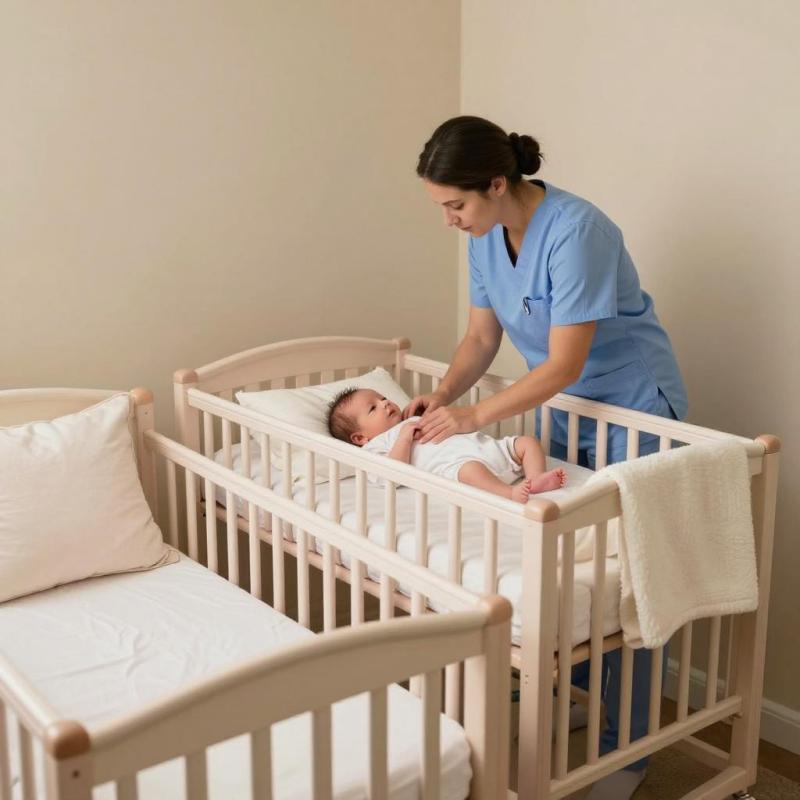 去美国生孩子需要找月子中心吗?Is it necessary to find a postpartum care center when going to the U.S. to give birth
需要,因为月子中心可以帮你搞定很多事,比如办签证、准备入境、在美国三个月吃住行玩的安排,还有美国医生医院的预约、月子照顾宝宝出生后的证件办理等等,而且
-
纽约的月子中心有什么优势?What are the advantages of postpartum care centers in New York?
在纽约选择月子中心,相比请月嫂在家坐月子或去其他城市,具有独特的医疗资源、生活便利性及专业服务优势。特别是对于赴美生子的家庭或居住在东岸的华人新父母,
-
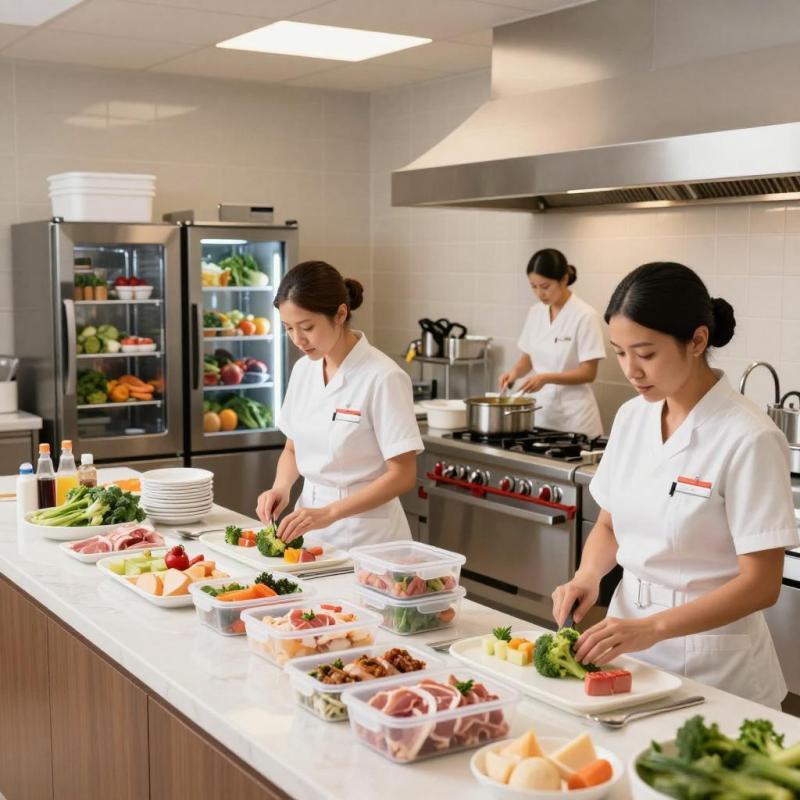 洛杉矶月子中心排行榜,推荐几家口碑好的
洛杉矶月子中心综合专业护理水平、医疗资源联动、服务模式创新及用户口碑等维度,结合2026年最新行业数据,为你梳理出当前备受认可的优质月子中心机构排行榜。这
 0 评论
0 评论 最新发布评论
-
 关注
洛杉矶爱心月子中心说
关注
洛杉矶爱心月子中心说
0文章 1评论
推荐作者
-
+关注
波士顿寻找保姆招聘月嫂者来
写28文章·7喜欢
-
 +关注
西雅图找保姆招月嫂公司
+关注
西雅图找保姆招月嫂公司
写23文章·8喜欢
-
 +关注
华盛顿找月嫂招保姆机构
+关注
华盛顿找月嫂招保姆机构
写28文章·13喜欢
-
+关注
洛杉矶爱心月子中心说
写64文章·161喜欢
-
 +关注
旧金山招聘保姆网
+关注
旧金山招聘保姆网
写39文章·104喜欢