
美华人保姆走俏致薪金高涨 华人工薪家庭难承受 The high demand for Chinese-American nannies has led to soaring salaries, mak
-
 洛杉矶保姆应聘公司
微/电:13366982255
洛杉矶保姆应聘公司
微/电:13366982255
-
华声报纽约消息:美国主流社会的“中文热”让会讲普通话的华人保姆走俏,华人社区的保姆也因此水涨船高。一些招聘保姆的华人抱怨说,这股中文热潮误导了市场,保姆的工资水平令华人工薪家庭也难以承受。
据北美世界日报报道,纽约皇后区法拉盛和曼哈顿华埠的职业介绍所业者透露,现在一位有经验的华人保姆月薪已达3400美元至5000多美元,比两年前上涨了数百元,而且几乎全都要求现金支付。
According to a report by the Huasheng Daily in New York, the "Chinese language craze" in mainstream American society has led to a surge in demand for Mandarin-speaking Chinese nannies, causing a sharp rise in their salaries within the Chinese community. Some Chinese employers complain that this Chinese language craze has misled the market, and that the wages for nannies are becoming unaffordable even for working-class Chinese families.
According to the North American World Journal, employment agencies in Flushing, Queens, and Chinatown in Manhattan revealed that an experienced Chinese nanny now earns between $3,400 and $5,000 per month, several hundred dollars more than two years ago, and almost all payments are in cash.
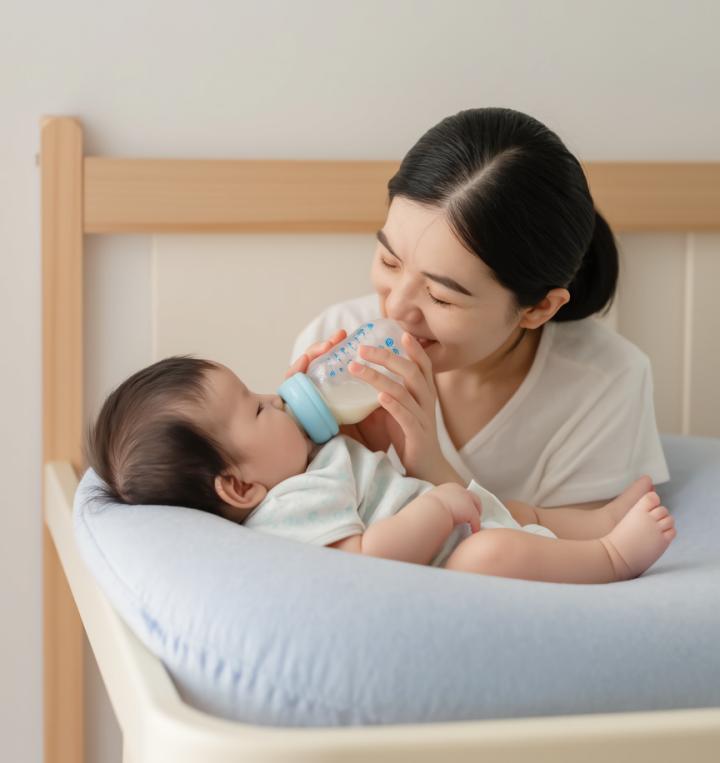
居住在长岛的华人刘敏,日前到法拉盛41路上一间职业介绍所聘保姆,她开出的条件是每周工作五天,包吃包住,主要工作是照料上小学的女儿,月薪3200美元,结果她还被几位正在介绍所内等待雇主上门的保姆奚落了一番。
刘敏对这些口气不小的华人保姆感到十分不解,尤其是她们将自己同主流社会家庭以8至10万元年薪聘请的中文保姆相提并论。她说,这是截然不同的两类保姆,讲中文并不是唯一的标准。
Liu Min, a Chinese resident of Long Island, recently went to a job agency on 41st Road in Flushing to hire a nanny. Her requirements were a five-day work week, room and board included, and the primary job being to care for her elementary school-aged daughter, with a monthly salary of $3200. However, she was ridiculed by several nannies waiting for employers at the agency.
Liu Min was puzzled by these arrogant Chinese nannies, especially their comparison of her to Mandarin-speaking nannies hired by mainstream families for $80,000 to $100,000 annually. She said these are two completely different types of nannies, and speaking Mandarin is not the only criterion.

熟悉职介业的社区人士林先生表示,华人保姆薪资上涨,是一些职业介绍所业者哄抬起来的,目的是能够收取更高的介绍费用。他说,有的职介所一次性收取介绍费,有的则按照月薪提成。
华人社区对保姆的需求甚殷的确是事实,因为从中国来美签证困难,许多年轻的新移民家长因双亲难以取得签证,自身又在繁忙的创业阶段,不得不请保姆来照顾小孩和家庭。
Mr. Lin, a community member familiar with the employment agency industry, stated that the rising salaries of Chinese nannies are being inflated by some employment agencies in order to collect higher referral fees. He said that some agencies charge a one-time referral fee, while others take a commission based on monthly salary.
It is indeed true that the Chinese community has a high demand for nannies. Due to the difficulty of obtaining visas from China to the United States, many young new immigrant parents, whose parents are struggling to obtain visas and who are also busy starting their own businesses, have no choice but to hire nannies to care for their children and families.
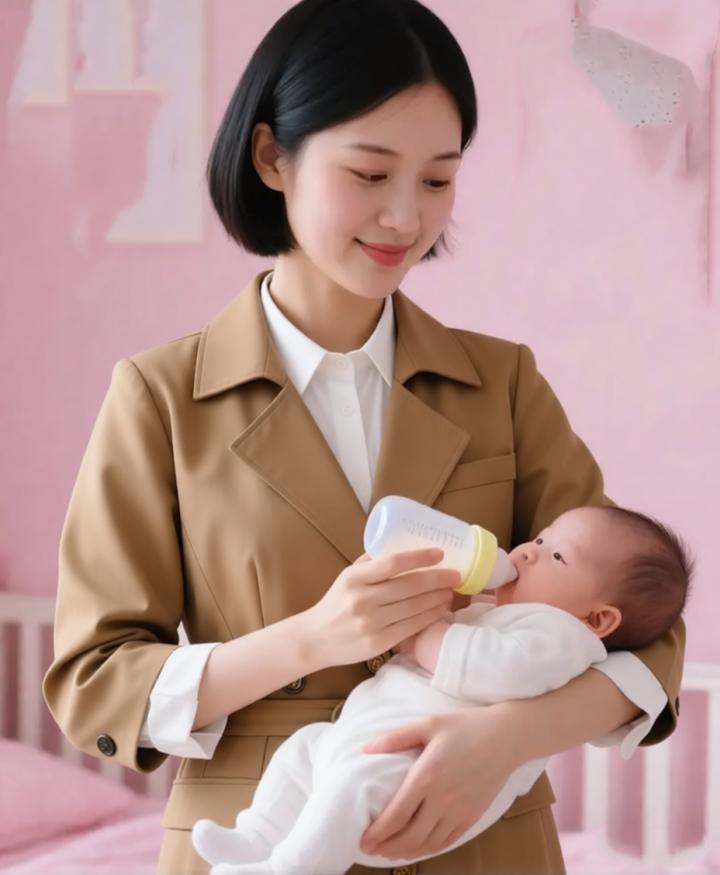
在这种供求失衡的状况下,华裔中老年保姆十分宝贵。华人职介所推荐的保姆,有相当大的比例是持旅游签证从中国大陆来美而滞留不归的华裔妇女,她们的目的很明确,就是趁身体尚佳之时在美国赚几年钱,随后就返乡养老,并不想在美永久居留。
同样在聘请保姆时受到刺激的皇后区居民罗伟林表示,主流美国家庭高薪征求的讲中文的保姆,指的是那些拥有高学历,又会讲中文的高水平保姆,实际上英文流利是最基本的要求。单凭这一点,华人社区的保姆很少人能符合要求。
不过华人保姆也有自己的想法。一名来自河北的倪姓保姆说,“华人保姆虽然不能同10万元年薪的高学历保姆相提并论,但值五分之一不算过分吧?那就差不多是月薪3000美元。”
In this situation of supply and demand imbalance, elderly Chinese-American caregivers are extremely valuable. A significant proportion of the caregivers recommended by Chinese employment agencies are Chinese women who came to the US from mainland China on tourist visas and have overstayed their visas. Their purpose is clear: to earn money in the US for a few years while they are still healthy, and then return to their home countries to retire; they do not intend to settle permanently in the US.
Luo Weilin, a resident of Queens who was also affected by the hiring process, said that the high salaries sought by mainstream American families for Chinese-speaking caregivers refer to highly educated, high-level caregivers who can speak Chinese; in reality, fluent English is the most basic requirement. Based on this alone, very few caregivers in the Chinese community meet the requirements.
However, Chinese caregivers also have their own perspectives. A caregiver surnamed Ni from Hebei said, "While Chinese caregivers cannot be compared to highly educated caregivers earning $100,000 a year, isn't it reasonable to value them at one-fifth? That's roughly $3,000 a month."
- 展开阅读全文
- 赞 收藏 阅读 2025-12-12
-
洛杉矶保姆应聘公司
>
相关推荐
-
 因养孩子太贵 美国“共享保姆”大受欢迎 Due to the high cost of raising children, "shared nannies" are becomin
Nanny Lane公司专注于纽约、旧金山、芝加哥和休斯顿的保姆市场,不过它也能够向全美各地的人提供家政服务,它的公司员工会为偏远地区的家庭和保姆提供匹配共享服
-
 纪实:湾区华人家庭从中国找保姆:不仅0薪水,甚至虐待 Documentary: Bay Area Chinese families hire nannies from China: not only
华人赴美做保姆,遭到非人待遇 受害者表示,自己是持工作签证,从中国来到美国做住家保姆的,负责照顾一个家庭的小孩。在美国明尼苏达州伍德伯里市(Woodbury),
-
 为什么一定要请月嫂,纽约月嫂公司哪家好?Why is it necessary to hire a postpartum caregiver (doula/nanny)? Which postpart
纽约家政行业里,为什么月嫂公司多,护理老人的保姆公司少呢?经本人实地走访法拉盛,以及在网络调查,母婴护理公司比较多,而专业护老保姆家政公司则比较少,要
-
 中国保姆在美国年薪10万美元 保险假期俱全 Chinese nannies in the US earn $100,000 annually, with full insurance and vaca
来自湖南的安娜,在美国做家政保姆工作已有十几个年头了。她英语流利,做事稳妥,深得雇主喜欢,最令人瞩目的是她的薪酬待遇—年薪10万美元左右,医疗保险、带薪
-
 在美国的保姆生涯:从挑战到成长 My experience as a nanny in the United States: From challenges to growth
在美国,只要努力,生活总有转机。为了自给自足,我尝试了各种工作,其中做得最多的便是保姆。选择保姆这份工作,一方面是因为其需求量大。在加州湾区,双职工家
 旧金山招聘保姆网
 0 评论
0 评论  美国华人育儿嫂公司
 纽约爱心家政服务公司