
告别月嫂,从容带娃:纽约的职场父母化解交接焦虑全攻略 Saying Goodbye to the Nanny and Confidently Raising Your Child: A Complet
-
 旧金山的月子中心会所
私信
旧金山的月子中心会所
私信
-
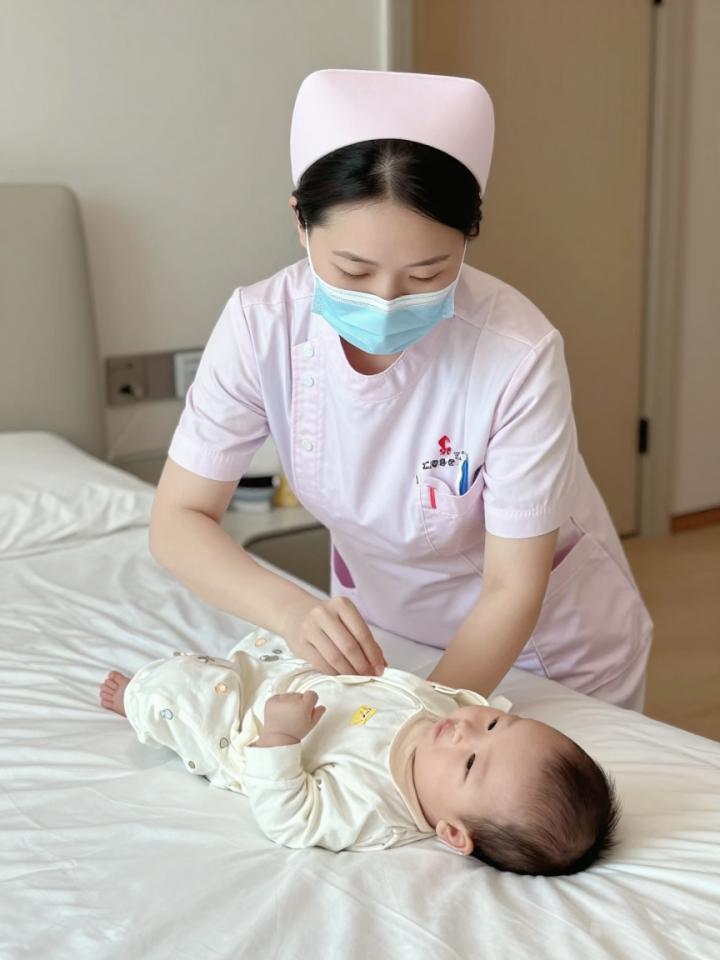
当专业的月嫂完成服务合同离开,纽约的许多新手父母会瞬间感到手足无措,焦虑感油然而生。这份焦虑,源于对宝宝无微不至的爱护和对自身能力的不确定。请放心,这是非常普遍且自然的过渡期反应。关键在于,焦虑可以被理解,更可以被有效化解。 本指南旨在为您提供清晰、实用的步骤,助您顺利接过养育重任,重拾带娃信心。
一、焦虑根源:清晰认知方能对症下药
告别月嫂带来的焦虑,核心通常在于:
技能担忧: 能否独立完成喂养、护理、哄睡等专业操作?能否读懂宝宝需求?
精力透支: 如何应对24小时无休的照料,特别是碎片化睡眠带来的疲惫?
责任压力: “专业外援”离开,养育责任全压己身,对宝宝健康成长的担忧加剧。
平衡困扰: 如何在照顾宝宝的同时,维系个人空间、伴侣关系甚至思考重返职场?
二、化解之道:实用策略与对应办法
要有效缓解焦虑,关键在于提前准备、系统学习、构建支持、自我关怀。以下是具体可行的解决方案:
技能储备:从“旁观”到“上手”,建立操作信心
对应办法:提前实践与系统学习
“交接期”深度参与: 在月嫂合同结束前 1-2周,主动承担核心照料任务(喂奶、拍嗝、洗澡、抚触、哄睡)。要求月嫂在旁 现场指导 并 即时反馈,务必亲自动手操作。
关键操作可视化: 录制月嫂操作 关键流程视频(如洗澡步骤、抚触手法、排气操),方便后续复习查阅。
权威知识武装: 系统阅读如《美国儿科学会育儿百科》等 权威育儿书籍,关注“丁香妈妈”、“卓正医疗”等 可靠科普平台,重点掌握喂养规律、睡眠安全、常见问题(胀气、吐奶、湿疹、发热初步判断)处理。
记录习惯养成: 使用育儿APP或笔记本,详细记录宝宝每日 吃奶(时间/量)、睡眠(时长/时段)、排泄(次数/性状)、清醒活动,有助于掌握规律,发现问题,就医时提供关键信息。
构建支持网络:你不是一个人在战斗
对应办法:明确分工与善用资源
核心队友:伴侣协作: 与伴侣 深入沟通,制定清晰、公平、灵活的分工表。明确夜间值班、家务分担、采购任务、各自“休息时段”。沟通是高效协作的基础。
调动家庭支持: 明确向家人(如祖辈)表达 具体、可执行的协助需求(例如:“每周二下午帮忙照看宝宝2小时,让我补觉/处理工作”;“帮忙准备周日晚餐”)。避免模糊要求,减少误解。
When professional postpartum caregivers complete their service contracts and leave, many new parents in New York instantly feel overwhelmed and anxious. This anxiety stems from their deep love for their baby and uncertainty about their own abilities. Rest assured, this is a very common and natural transitional reaction. The key is that anxiety can be understood and effectively managed. This guide aims to provide you with clear, practical steps to help you smoothly take over parenting responsibilities and regain confidence in caring for your baby.
I. The Root of Anxiety: Clear Understanding for Effective Solutions
The core of the anxiety after the postpartum caregiver leaves usually lies in:
Skill Concerns: Can I independently perform professional tasks such as feeding, nursing, and soothing the baby? Can I understand my baby's needs?
Energy Depletion: How to cope with 24/7 care, especially the fatigue caused by fragmented sleep?
Responsibility Pressure: With the "professional help" gone, the entire responsibility of raising the child falls on me, increasing worries about the baby's healthy growth.
Balancing Challenges: How to maintain personal space, a healthy relationship with my partner, and even consider returning to work while caring for the baby?
II. Solutions: Practical Strategies and Corresponding Methods
To effectively alleviate anxiety, the key is to prepare in advance, learn systematically, build support, and practice self-care. Here are specific and feasible solutions:
Skill Building: From "Observing" to "Doing," Build Confidence in Practical Skills
Corresponding Methods: Practice in Advance and Systematic Learning
Deep Involvement During the "Transition Period": 1-2 weeks before the postpartum caregiver's contract ends, actively take on core care tasks (feeding, burping, bathing, massaging, soothing to sleep). Ask the caregiver to provide on-site guidance and immediate feedback, and be sure to perform the tasks yourself.
Visualize Key Procedures: Record videos of the caregiver's key procedures (such as bathing steps, massage techniques, and gas relief exercises) for later review.
Arm Yourself with Authoritative Knowledge: Systematically read authoritative parenting books such as "The American Academy of Pediatrics Guide to Your Child's Health," and follow reliable science-based platforms such as "Dingxiang Mama" and "Zhuozheng Medical," focusing on mastering feeding routines, sleep safety, and handling common problems (bloating, spitting up, eczema, and initial assessment of fever). Record-Keeping for Habit Formation: Use a parenting app or notebook to meticulously record your baby's daily feeding (time/amount), sleep (duration/periods), bowel movements (frequency/characteristics), and awake activities. This helps you understand patterns, identify problems, and provide crucial information when seeking medical advice.
Build a Support Network: You are not alone in this journey.
Corresponding Solutions: Clearly define roles and utilize resources effectively.
Core Teammate: Partner Collaboration: Communicate deeply with your partner and create a clear, fair, and flexible division of labor. Clearly define nighttime duties, household chores, shopping tasks, and individual "rest periods." Communication is the foundation of efficient collaboration.
Mobilize Family Support: Clearly express specific, actionable assistance needs to family members (such as grandparents) (for example: "Please help watch the baby for 2 hours every Tuesday afternoon so I can catch up on sleep/work"; "Please help prepare Sunday dinner"). Avoid vague requests to minimize misunderstandings.

探索外部资源:
临时帮手: 考虑雇佣 可靠的钟点工 负责清洁、做饭等家务,释放您的精力专注于宝宝。
社区力量: 加入 同城同月龄宝妈/宝爸社群,交流经验、互相鼓励、资源共享,获得情感支持与实用信息。
专业后盾: 保留月嫂或 值得信赖的育儿顾问的联系方式,遇到棘手问题时及时咨询。了解公司或社区提供的 母婴支持服务。
关键心态:勇于求助: 清晰表达“我需要帮助”是智慧与力量的表现,绝非软弱。
自我关怀:蓄满能量池才能持续输出
对应办法:碎片化休息与心理调适
休息优先: 宝宝睡时,优先保证自己休息(小睡、闭目养神),家务琐事暂时搁置。15分钟高质量休息远胜1小时强撑。
基础保障: 确保 规律饮食、营养均衡、饮水充足。善用外卖、预制菜等,特殊时期效率至上。
创造“喘息空间”: 每天争取 5-10分钟“微时刻” 做放松之事:深呼吸、听音乐、喝热饮、短暂沐浴。请伴侣或家人接手宝宝 10-30分钟,出门散步或在安静房间独处,彻底“断电”。
调整心理预期:
接纳“足够好”: 摒弃完美主义。允许自己犯错、允许有慌乱时刻。宝宝需要的是充满爱意的真实父母,而非无懈可击的专家。吐奶了?清理干净即可。哄睡失败?调整方法再试。
积极自我对话: 将消极念头“我搞不定”转化为“我在学习,会进步”;“这太难了”换成“我一次解决一个问题”。
关注小确幸: 留意宝宝在你怀中的安稳、无意识的笑容,这些都是对你付出的最好肯定。
简化流程:建立规律,聚焦核心
对应办法:建立基础节奏与精简日常
摸索吃-玩-睡循环: 不必追求刻板时间表,但尝试建立大致的日常规律,让宝宝和您都有预期,减少混乱感。
优化环境与流程: 将宝宝 常用物品(尿布、湿巾、护臀膏、衣物)固定位置存放,触手可及。 简化护理操作步骤,提高效率。
减少信息干扰: 有意识 减少刷社交媒体,避免陷入“别人家天使宝宝”的对比焦虑。每个宝宝都是独特的,关注自家孩子的成长节奏。
三、重要提示:识别信号,及时寻求专业支持
大部分过渡期焦虑会随着适应而缓解。但若出现以下情况,请务必重视并寻求帮助:
焦虑/抑郁情绪持续加重,严重影响睡眠、食欲及正常生活。
长时间感到极度悲伤、绝望、易怒,或对宝宝失去兴趣/连接感。
产生伤害自己或宝宝的想法。
应对办法:
坦诚与伴侣、家人沟通感受。
咨询 您的产科医生、宝宝的儿科医生。
寻求 纽约专业心理咨询师或精神科医生 的帮助。产后情绪障碍(如抑郁、焦虑)是常见且可有效治疗的医学问题,主动寻求专业干预是负责任且明智的选择。
告别月嫂,标志着您作为父母独立旅程的真正开始。这份初期的焦虑,恰是您深切责任感与爱的证明。请相信,为人父母的能力,并非与生俱来,而是在每一次尝试、每一次学习、每一次与宝宝默契的互动中逐渐生长、强大的。 运用以上策略,善用支持资源,关照好自己,您将发现内在的潜力与韧性。这段看似充满挑战的过渡期,终将成为您与宝宝建立独一无二、深厚联结的珍贵起点。您有能力,也终将从容胜任。
Exploring External Resources:
Temporary Help: Consider hiring a reliable hourly worker to handle cleaning, cooking, and other household chores, freeing up your energy to focus on your baby.
Community Support: Join local online communities for parents with babies of the same age to exchange experiences, encourage each other, share resources, and receive emotional support and practical information.
Professional Backup: Keep the contact information of a postpartum caregiver or a trusted parenting consultant handy for timely advice when you encounter difficult problems. Learn about the maternal and child support services offered by your company or community.
Key Mindset: Don't be afraid to ask for help: Clearly expressing "I need help" is a sign of wisdom and strength, not weakness.
Self-Care: Recharge your energy reserves to maintain your ability to care for your baby.
Corresponding Solutions: Fragmented Rest and Psychological Adjustment
Prioritize Rest: When your baby is sleeping, prioritize your own rest (napping, closing your eyes), and temporarily put aside household chores. 15 minutes of high-quality rest is far better than struggling through an hour.
Basic Needs: Ensure regular, balanced meals and sufficient hydration. Make good use of takeout and pre-made meals; efficiency is key during this special time.
Create "Breathing Space": Aim for 5-10 minute "micro-moments" each day to do something relaxing: deep breathing, listening to music, drinking a hot beverage, or taking a short shower. Ask your partner or family member to take care of the baby for 10-30 minutes so you can go for a walk or be alone in a quiet room to completely "unplug."
Adjusting Psychological Expectations:
Accept "Good Enough": Abandon perfectionism. Allow yourself to make mistakes and have moments of panic. Your baby needs loving and authentic parents, not flawless experts. Baby spit up? Just clean it up. Failed at putting the baby to sleep? Adjust your approach and try again.
Positive Self-Talk: Transform negative thoughts like "I can't handle this" into "I'm learning and I will improve"; change "This is too difficult" to "I'll solve one problem at a time."
Focus on Small Joys: Notice the peacefulness of your baby in your arms, their unconscious smiles – these are the best affirmations of your efforts. Streamlining the Process: Establishing Routines and Focusing on the Essentials
Corresponding Solutions: Establishing a Basic Rhythm and Simplifying Daily Routines
Exploring the Eat-Play-Sleep Cycle: There's no need to strive for a rigid schedule, but try to establish a general daily routine so that both you and your baby have expectations, reducing feelings of chaos.
Optimizing the Environment and Processes: Store frequently used baby items (diapers, wipes, diaper cream, clothes) in fixed, easily accessible locations. Simplify care procedures to improve efficiency.
Reducing Information Overload: Consciously reduce social media use to avoid falling into the trap of comparing your baby to "perfect babies" of others. Every baby is unique; focus on your own child's developmental pace.
III. Important Reminders: Recognizing Signals and Seeking Professional Support
Most transitional anxiety will subside with adaptation. However, if you experience any of the following, please take it seriously and seek help:
Anxiety/depressive symptoms worsen and significantly affect sleep, appetite, and normal life.
You experience prolonged periods of extreme sadness, despair, irritability, or a loss of interest in/connection with your baby.
You have thoughts of harming yourself or your baby.
Solutions:
Communicate your feelings honestly with your partner and family.
Consult your obstetrician or your baby's pediatrician.
Seek help from a professional mental health counselor or psychiatrist in New York. Postpartum mood disorders (such as depression and anxiety) are common and treatable medical conditions. Actively seeking professional intervention is a responsible and wise choice.
Saying goodbye to your postpartum caregiver marks the true beginning of your independent journey as a parent. This initial anxiety is proof of your deep sense of responsibility and love. Please believe that the ability to be a parent is not innate, but rather grows and strengthens with every attempt, every learning experience, and every harmonious interaction with your baby. By using the above strategies and utilizing support resources, and taking care of yourself, you will discover your inner potential and resilience. This seemingly challenging transition period will ultimately become a precious starting point for building a unique and profound connection with your baby. You are capable, and you will ultimately succeed with ease.
- 展开阅读全文
- 赞 收藏 阅读 2025-12-15
-
旧金山的月子中心会所
私信
相关推荐
-
 到美国生孩子找个月嫂要多少钱?How much does it cost to hire a postpartum caregiver (nanny) in the US for giving bir
去美国生孩子找一个月嫂的工资大概在6000-8000美元左右。这一费用区间是基于一般美国月嫂的服务费用,并加上了可能的小费。美国境内月嫂价格工资行情:6500-7000
-
 赴美生子家庭须知:请月嫂预算规划中的“隐性成本”详解 Information for families planning to have a baby in the US: A detailed ex
爱心宝贝国际家政凭借多年深耕美国家政服务领域的专业经验,特此梳理出除月嫂基本薪资外,您需要提前了解与规划的常见费用,助力您实现更加从容、安心的服务体验
-
 洛杉矶好月嫂为什么不愿意跟着月嫂公司做 Why are experienced nannies in Los Angeles unwilling to work for nanny agencies?
只有在月嫂档期青黄不接的时候,洛杉矶月嫂才会到A月嫂公司、B月嫂公司、C月嫂公司等等或者微信月嫂群里发布空档期,让他人给他推荐客户。Only when there's a s
-
 新手爸妈避坑指南:月嫂公司老板亲述行业真实内幕 A Guide for New Parents to Avoid Pitfalls: A Nanny Agency Owner Reveals the
在洛杉矶怀孕生宝宝,到底请月嫂还是住月子中心,其实一直是个很纠结的选择,对比5万以下选的月子中心,就拿食材成本来说一天100多美元,但是你请月嫂,5万多可
-
洛杉矶月嫂VS月子中心,我替你们试了 Nanny vs. Maternity Center in Los Angeles: I tried both for you!
洛杉矶华人月嫂不好找,二胎没找到月嫂,在尔湾定了月子中心,有点像酒店的大床房,月嫂在旁边一个沙发床,宝宝睡婴儿床,因为跟宝宝在一间屋子里,夜里月嫂喂奶
 0 评论
0 评论 最新发布评论
推荐作者
-
+关注
旧金山的月子中心会所
写4文章·0喜欢
-
 +关注
纽约招聘保姆网
+关注
纽约招聘保姆网
写14文章·25喜欢
-
 +关注
洛杉矶爱心月子中心说
+关注
洛杉矶爱心月子中心说
写14文章·27喜欢
-
 +关注
洛杉矶保姆应聘公司
+关注
洛杉矶保姆应聘公司
写9文章·21喜欢
-
 +关注
美国华人月嫂公司
+关注
美国华人月嫂公司
写25文章·216喜欢