
在美国坐月子是一种什么体验?美国月子中心的护理质量,取决于月嫂的专业 What is the experience of postpartum recovery like in the United
-
 洛杉矶爱心月子中心说
私信
洛杉矶爱心月子中心说
私信
-
“坐月子”是中国传统产后护理习俗,核心是让产妇在产后一个月内休养身体、恢复元气。但在美国,没有“坐月子”的文化概念,当地人普遍认为产后应尽早下床活动、恢复正常饮食。不过,随着赴美生子家庭增多,一种特殊的“美国月子中心”应运而生——它们多由华人开设,融合中国传统月子护理理念与美国医疗资源,为美宝妈妈提供产后休养服务。这种“中西合璧”的体验究竟如何?本文结合真实入住案例、行业规范及文化差异,还原美国月子中心坐月子的真实面貌。
一、先澄清:美国没有“月子中心”,只有“产后护理机构” 首先需要明确:美国法律和社会文化中不存在“月子中心”这一概念。所谓“美国月子中心”,本质是在美国注册的华人服务机构,多位于加州(洛杉矶、尔湾、圣地亚哥等华人聚集区)、纽约等地,通常由独栋别墅或公寓改造而成,提供住宿、餐饮、母婴护理、产后恢复等服务。
这类机构的运营模式类似“高端民宿+专业护理”,与国内月子中心的最大区别是:美国没有统一的行业监管标准,服务质量全靠机构自律,因此选择时需重点考察资质(如营业执照、护理人员培训证明)和用户评价。
"Postpartum confinement" (坐月子) is a traditional Chinese postpartum care custom, the core of which is to allow mothers to rest and recover their health during the first month after childbirth. However, in the United States, there is no cultural concept of "postpartum confinement," and locals generally believe that mothers should get out of bed and resume normal activities and diet as soon as possible after childbirth. However, with the increasing number of families giving birth in the US, a special type of "American postpartum confinement center" has emerged – mostly run by Chinese people, combining traditional Chinese postpartum care concepts with American medical resources to provide postpartum recovery services for mothers giving birth in the US. What is this "East-meets-West" experience really like? This article, combining real-life case studies, industry standards, and cultural differences, reveals the true picture of postpartum confinement centers in the United States.
I. Clarification: There are no "postpartum confinement centers" in the US, only "postpartum care facilities"
First, it needs to be clarified that the concept of "postpartum confinement center" does not exist in American law and social culture. The so-called "American postpartum confinement centers" are essentially Chinese-owned service agencies registered in the United States, mostly located in California (Los Angeles, Irvine, San Diego, and other areas with large Chinese populations), New York, and other places. They are usually converted from detached houses or apartments and provide services such as accommodation, meals, mother and baby care, and postpartum recovery.The operating model of these institutions is similar to "high-end guesthouses + professional care." The biggest difference from domestic postpartum confinement centers is that there are no unified industry regulatory standards in the US; service quality depends entirely on the self-regulation of the institutions. Therefore, when choosing, it is crucial to carefully examine their qualifications (such as business licenses and nursing staff training certificates) and user reviews.

二、入住前:从签证到签约,准备比想象中繁琐 赴美生子的孕妈通常在预产期前2-3个月抵达美国,入住月子中心的时间一般是产后1-2天(顺产)或3-5天(剖腹产),全程约28-42天(对应国内“小月子”到“大月子”)。
入住前的关键步骤:
选中心:通过华人论坛(如洛杉矶爱心宝贝网站)、中介推荐或朋友介绍,对比价格(每月1-3万美元,含住宿、饮食、月嫂、接送)、位置(近医院、超市)、口碑(是否有纠纷记录);
签合同:明确服务内容(如是否含月嫂24小时陪护、产后修复项目)、费用明细(是否含医生复查费、宝宝疫苗费)、退改规则(如提前离店是否退款);
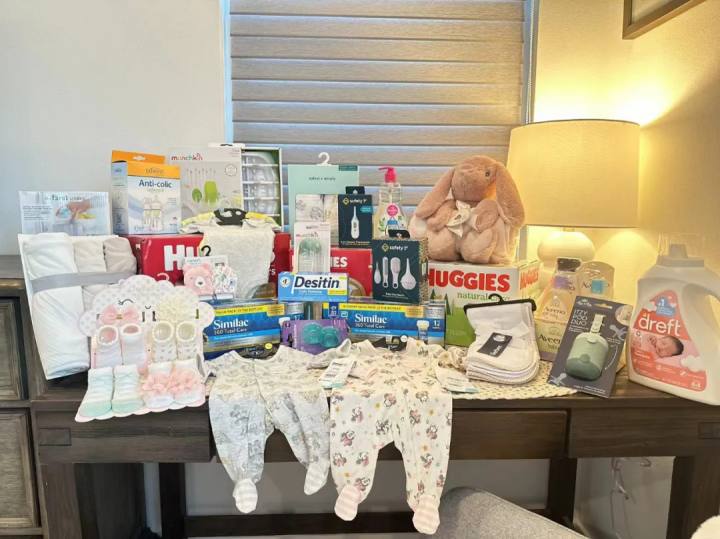
备物品:美国月子中心通常提供基础母婴用品(婴儿床、奶瓶消毒器、产妇卫生巾),但妈妈需自带哺乳内衣、吸奶器、月子鞋、中药包(如需)等私人物品。
II. Before Check-in: Preparation is More Complicated Than Expected, from Visa to Contract Signing
Pregnant women traveling to the US for childbirth usually arrive 2-3 months before their due date. They typically check into the maternity center 1-2 days after delivery (for vaginal birth) or 3-5 days after delivery (for Cesarean section), for a total stay of approximately 28-42 days (corresponding to the "short confinement" to "long confinement" periods in China).Key steps before check-in:
Choosing a center: Compare prices (US$10,000-30,000 per month, including accommodation, meals, nanny services, and transportation), location (proximity to hospitals and supermarkets), and reputation (check for any dispute records) through Chinese forums (such as the Los Angeles Love Baby website), agency recommendations, or friend referrals;
Signing the contract: Clearly define the services included (such as 24-hour nanny care, postpartum recovery programs), cost details (whether doctor's follow-up fees and baby vaccination fees are included), and cancellation/modification policies (such as whether refunds are available for early departure);
Preparing supplies: US maternity centers usually provide basic mother and baby supplies (cribs, bottle sterilizers, maternity pads), but mothers need to bring their own personal items such as nursing bras, breast pumps, maternity slippers, and traditional Chinese medicine packages (if needed).
三、日常体验:一天24小时,被“科学护理”填满 美国月子中心的日程安排以“妈妈休息优先、宝宝规律作息”为原则,兼顾传统习俗与科学护理,以下是典型的一天:
早晨7:00-8:00 起床与基础护理
妈妈洗漱,测量体温、血压(顺产第2天、剖腹产第3天起),观察恶露情况(记录颜色、量,异常时联系医生)。同时,月嫂给宝宝换尿布、测体重、观察黄疸(用经皮胆红素仪,数值超12mg/dL需就医)。
上午8:00-9:00 早餐
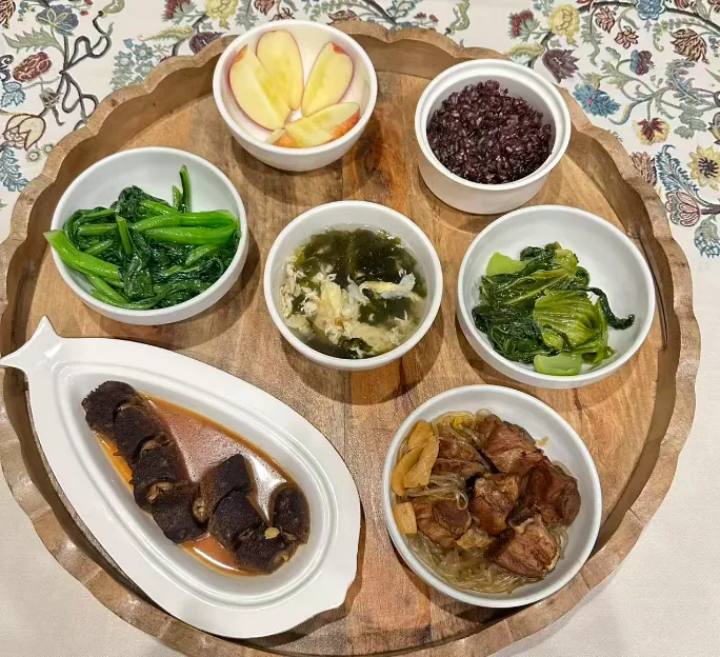
饮食以“高蛋白、低油盐、多蔬果”为核心,兼顾催奶与恢复。例如:燕麦粥(加核桃、红枣)+水煮蛋+清炒菠菜+牛奶;避免韭菜、麦芽等回奶食物,汤类多为鲫鱼豆腐汤、排骨藕汤(撇去浮油)。
上午9:00-11:00 妈妈自由活动/产后课程
妈妈可选择休息、看书,或参加月子中心组织的课程:
产后瑜伽:针对腹直肌分离(多数妈妈产后存在)、盆底肌松弛,做温和的凯格尔运动、腹式呼吸;
新生儿护理课:学习拍嗝(竖抱拍背、飞机抱)、脐带消毒(用75%酒精棉棒每日2次)、肠绞痛缓解方法(飞机抱+白噪音)。
中午12:00-13:00 午餐
主菜多为清蒸鱼(鲈鱼、鳕鱼)、白灼虾、杂粮饭,配西兰花、胡萝卜等蔬菜,汤类可选鸡汤(去皮)、银耳莲子羹(润肺)。厨师会根据妈妈体质调整,如体寒者加姜丝,易上火者加绿豆汤。
下午13:00-15:00 午休与宝宝托管
妈妈午睡时,月嫂带宝宝去阳光房晒太阳(促进钙吸收,注意遮挡眼睛),或做抚触按摩(刺激神经发育)。若妈妈涨奶,月嫂会用温毛巾热敷后协助挤奶,储存至冰箱(供夜间或外出使用)。
下午15:00-17:00 户外活动/就医陪同
天气好时,妈妈可推婴儿车散步(附近公园、社区步道),呼吸新鲜空气;若需复查(如产后42天B超),月子中心会派车陪同,翻译病历(美国医生多说英语,需提前沟通是否需要中文翻译)。
傍晚18:00-19:00 晚餐
相对午餐更清淡,如番茄龙利鱼面、香菇滑鸡粥、清炒芥蓝,避免晚餐过饱影响睡眠。
晚上19:00-21:00 亲子互动与睡前准备
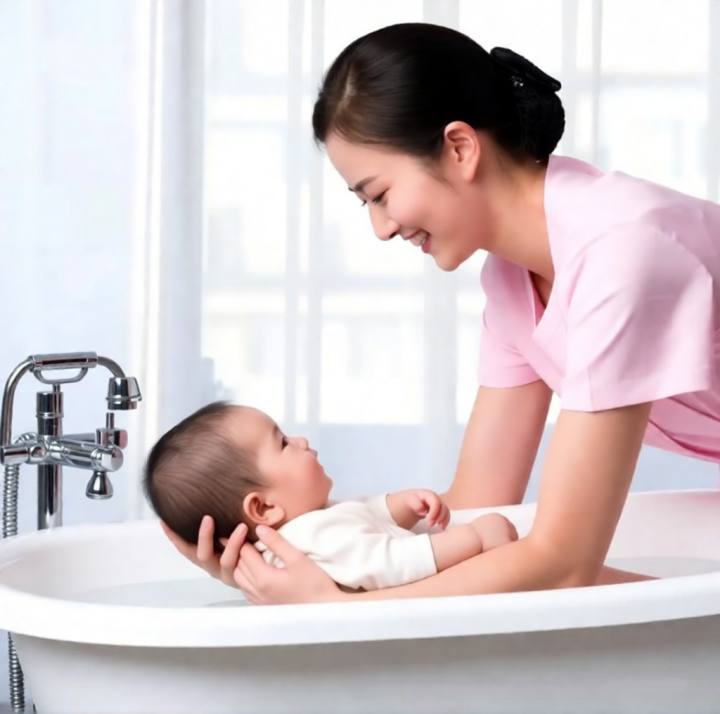
妈妈与宝宝进行亲子阅读(布书、触摸书)、听轻音乐,月嫂协助洗澡(水温37-38℃,用婴儿沐浴露)、抚触,穿连体衣(美国婴儿多穿连体衣,方便换尿布)。
晚上21:00后 妈妈休息
月嫂负责夜间宝宝护理(喂奶、换尿布),妈妈按需哺乳即可,保证连续睡眠(美国研究认为,产后妈妈深度睡眠不足会影响泌乳)。
III. Daily Experience: 24 Hours Filled with "Scientific Care"
The daily schedule at American postpartum care centers prioritizes "mother's rest and baby's regular routine," balancing traditional customs with scientific care. Here is a typical day:7:00-8:00 AM: Wake-up and Basic Care
The mother washes up, has her temperature and blood pressure measured (starting on the 2nd day after vaginal delivery, 3rd day after C-section), and her lochia is observed (color and amount recorded; doctor contacted if abnormal). Meanwhile, the postpartum caregiver changes the baby's diaper, weighs the baby, and checks for jaundice (using a transcutaneous bilirubinometer; medical attention is required if the value exceeds 12 mg/dL).
8:00-9:00 AM: Breakfast
The diet focuses on "high protein, low oil and salt, and plenty of fruits and vegetables," balancing lactation and recovery. For example: oatmeal (with walnuts and red dates) + boiled egg + stir-fried spinach + milk; avoiding foods that reduce milk supply such as chives and malt; soups are often crucian carp and tofu soup or pork rib and lotus root soup (with the oil skimmed off).
9:00-11:00 AM: Mother's Free Time/Postpartum Classes
Mothers can choose to rest, read, or participate in classes organized by the postpartum care center:
Postpartum Yoga: Targeting diastasis recti (present in most mothers after childbirth) and pelvic floor muscle relaxation, performing gentle Kegel exercises and diaphragmatic breathing;
Newborn Care Class: Learning how to burp the baby (vertical holding and back patting, airplane hold), umbilical cord disinfection (using 75% alcohol swabs twice daily), and methods to relieve colic (airplane hold + white noise).
12:00-1:00 PM: Lunch
Main dishes often include steamed fish (sea bass, cod), blanched shrimp, and mixed grain rice, served with vegetables such as broccoli and carrots. Soups may include chicken soup (skin removed) or white fungus and lotus seed soup (for lung health). The chef will adjust the menu according to the mother's constitution; for example, adding ginger for those with a cold constitution, and mung bean soup for those prone to heatiness. 1:00 PM - 3:00 PM Afternoon Nap and Baby Care
While the mother naps, the confinement nanny takes the baby to the sunroom for sun exposure (to promote calcium absorption, ensuring the baby's eyes are shielded) or performs massage (to stimulate nerve development). If the mother experiences engorgement, the nanny will use a warm towel for a hot compress and assist with expressing breast milk, which is then stored in the refrigerator (for nighttime or when going out).
3:00 PM - 5:00 PM Outdoor Activities/Medical Appointments
On nice days, the mother can take the baby for a walk in a stroller (in nearby parks or community trails) to get some fresh air; if a follow-up appointment is needed (such as a 42-day postpartum ultrasound), the confinement center will provide transportation and assist with translating medical records (most American doctors speak English, so it's necessary to communicate in advance if a Chinese translator is needed).
6:00 PM - 7:00 PM Dinner
Dinner is lighter than lunch, such as tomato and sole fish noodles, mushroom and chicken congee, or stir-fried kale, to avoid overeating and affecting sleep.
7:00 PM - 9:00 PM Parent-Child Interaction and Bedtime Preparation
The mother and baby engage in parent-child reading (cloth books, touch-and-feel books), listen to soft music, and the nanny assists with bathing (water temperature 37-38℃, using baby bath wash), massage, and dressing the baby in a onesie (most American babies wear onesies for easy diaper changes).
After 9:00 PM Mother's Rest
The confinement nanny is responsible for nighttime baby care (feeding, diaper changes), and the mother can breastfeed as needed, ensuring continuous sleep (American research suggests that insufficient deep sleep in postpartum mothers affects lactation).
四、饮食与营养:告别“大补”,拥抱“精准调理” 国内传统月子餐讲究“大补”(如猪蹄汤、老母鸡汤),但美国月子中心的饮食更科学,核心是“均衡营养+个体化调整”:
拒绝油腻:汤类必撇浮油,肉类选瘦肉(鸡胸肉、牛里脊),避免脂肪堆积影响恢复;
补钙优先:牛奶、酸奶、奶酪每日必备(美国乳制品便宜,有机奶更受青睐),搭配深绿色蔬菜(羽衣甘蓝、菠菜);
控糖控盐:少用酱油、味精,用柠檬汁、香草提味,预防产后血糖升高(美国妊娠糖尿病高发);
个性化定制:若妈妈奶水不足,加通草、王不留行(中药包,需提前与中心确认是否允许);若便秘,增加火龙果、西梅泥。
一位入住过尔湾某月子中心的妈妈说:“这里的餐食不像国内月子餐那么‘吓人’,更像健康减脂餐,吃了不会胖,奶水却很足。”
IV. Diet and Nutrition: Saying Goodbye to "Heavy Supplementation," Embracing "Precise Nutritional Management"
Traditional Chinese postpartum diets emphasize "heavy supplementation" (such as pig's trotters soup and old hen soup), but the diets at American postpartum centers are more scientific, focusing on "balanced nutrition + individualized adjustments":Avoiding Greasy Foods: Soups are always skimmed of excess fat, and lean meats are chosen (chicken breast, beef tenderloin) to prevent fat accumulation from affecting recovery;
Prioritizing Calcium Intake: Milk, yogurt, and cheese are daily essentials (dairy products are inexpensive in the US, and organic milk is preferred), paired with dark green vegetables (kale, spinach);
Controlling Sugar and Salt: Less soy sauce and MSG are used, and lemon juice and herbs are used for flavoring, preventing postpartum blood sugar spikes (gestational diabetes is common in the US);
Personalized Customization: If the mother has insufficient breast milk, Chinese herbs like Tetrapanax papyriferus and Vaccaria segetalis are added (herbal packages, requiring prior confirmation with the center regarding their use); if constipation occurs, dragon fruit and prune puree are added.
One mother who stayed at a postpartum center in Irvine said: "The meals here aren't as 'intimidating' as traditional Chinese postpartum meals; they're more like healthy weight-loss meals. I didn't gain weight, but my milk supply was abundant."
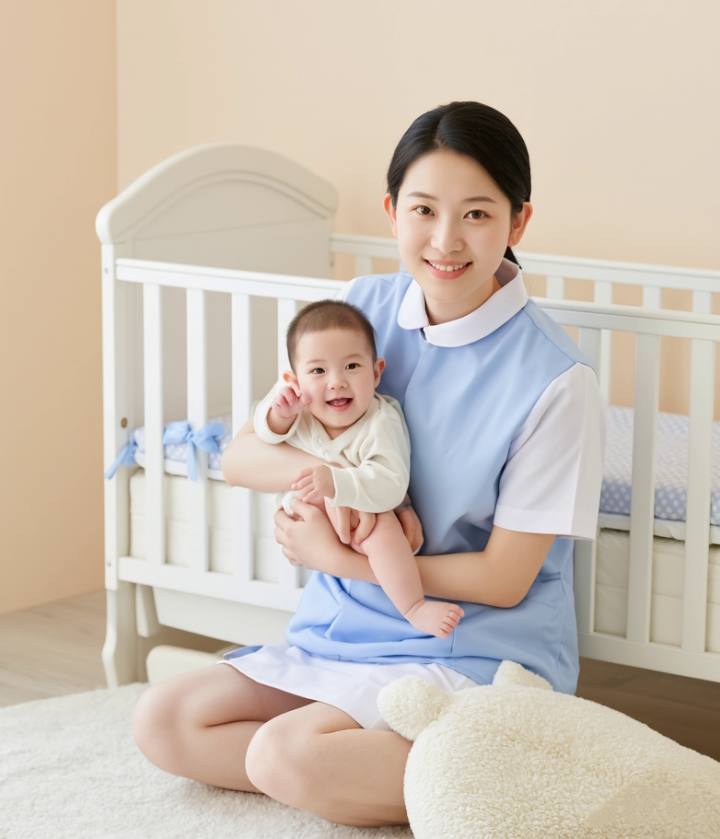
五、护理与恢复:月嫂是核心,医疗资源是后盾 美国月子中心的护理质量,90%取决于月嫂的专业度。合格的月嫂需具备:
经验:至少服务过10个以上新生儿家庭,熟悉早产儿、黄疸儿护理;
沟通能力:能用简单英语与医生交流(如描述宝宝哭声、大便性状)。
核心护理内容:
宝宝护理:每日记录吃奶量(母乳按“单侧15分钟”估算)、大小便次数(黄色软便为正常)、体温(36.5-37.5℃),发现异常(如持续哭闹、皮疹)立即联系儿科医生;
妈妈护理:指导伤口护理(顺产侧切用碘伏消毒,剖腹产贴防水敷料),协助绑腹带(产后2周开始,每天2小时,避免过紧影响血液循环),监测情绪(产后抑郁筛查量表PHQ-9,得分高时建议心理咨询);
医疗资源对接:协助预约儿科医生(首次体检在出生后3-5天,查黄疸、心脏杂音)、产科医生(产后6周复查子宫恢复),代买处方药(如开塞露、止痛药,需医生处方)。
V. Care and Recovery: The Postpartum Doula is Key, Medical Resources Provide Support
The quality of care at American postpartum centers depends 90% on the professionalism of the postpartum doula. A qualified postpartum doula should possess:Experience: Having served at least 10 families with newborns, and being familiar with the care of premature babies and babies with jaundice;
Communication skills: Able to communicate with doctors in simple English (e.g., describing the baby's crying and stool characteristics).
Core Care Content:
Baby Care: Daily recording of milk intake (breast milk estimated at "15 minutes per side"), number of bowel movements (yellow, soft stools are normal), and body temperature (36.5-37.5℃). Any abnormalities (such as persistent crying or rashes) should be reported to the pediatrician immediately;
Mother's Care: Guiding wound care (iodine disinfection for vaginal delivery episiotomy, waterproof dressing for C-section), assisting with abdominal binding (starting 2 weeks postpartum, 2 hours daily, avoiding excessive tightness that affects blood circulation), and monitoring emotional well-being (using the PHQ-9 postpartum depression screening scale; high scores suggest psychological counseling);
Medical Resource Connection: Assisting with scheduling pediatrician appointments (first check-up 3-5 days after birth, checking for jaundice and heart murmurs), obstetrician appointments (6-week postpartum check-up for uterine recovery), and purchasing prescription medications (such as suppositories and painkillers, requiring a doctor's prescription).
六、文化碰撞:当“坐月子”遇上“美国习惯” 在美国坐月子,最大的挑战不是护理,而是文化差异带来的“不适应”:
“不出门”vs“爱遛娃”:国内认为月子期应“闭门不出”,但美国月子中心常组织妈妈带宝宝去公园晒太阳,邻居虽觉得新生儿哭闹“正常”,但频繁夜醒仍可能引发投诉(需控制音量);
“捂汗”vs“怕热”:国内习惯“捂月子”(盖厚被子、穿长袖),但美国室内暖气足(冬季20℃以上),妈妈易出汗,中心会建议穿透气棉质衣服,及时擦汗防感冒;
“忌洗头”vs“勤清洁”:国内传统认为“月子头不能洗”,但美国月子中心会提供恒温淋浴(38℃温水),月嫂协助吹干头发(避免着凉),强调“产后头皮油脂分泌旺盛,不洗易堵毛囊”。
VI. Cultural Clash: When "Postpartum Confinement" Meets "American Customs"
The biggest challenge of postpartum confinement in the United States is not the nursing care, but the "maladjustment" caused by cultural differences:"Staying Indoors" vs. "Taking the Baby Out": In China, it's believed that mothers should stay indoors during postpartum confinement, but American postpartum centers often organize mothers to take their babies to the park to get some sun. While neighbors generally consider newborn crying "normal," frequent nighttime crying may still lead to complaints (noise levels need to be controlled);
"Bundling Up" vs. "Avoiding Overheating": In China, it's customary to "bundle up" during postpartum confinement (using thick blankets and wearing long sleeves), but American homes have ample heating (above 20℃ in winter), making mothers prone to sweating. The centers recommend wearing breathable cotton clothes and wiping away sweat promptly to prevent colds;
"Avoiding Washing Hair" vs. "Frequent Cleaning": Traditional Chinese beliefs dictate that "hair shouldn't be washed during postpartum confinement," but American postpartum centers provide temperature-controlled showers (38℃ warm water), and nannies assist in drying the hair (to prevent catching a cold), emphasizing that "postpartum scalp oil secretion is abundant, and not washing can easily clog hair follicles."
七、优缺点总结:适合谁?不适合谁? 优点:
环境舒适:独栋别墅带院子,空气好、噪音小,比国内医院病房更私密;
服务专业:月嫂24小时陪护,新手妈妈无需手忙脚乱学护理;
医疗便利:近医院,突发情况(如大出血、宝宝呛奶)10分钟内可送医;
双语支持:沟通无障碍,避免“鸡同鸭讲”误事。
缺点:
费用高:每月1-3万美元(约7-21万人民币),不含往返机票、购物等额外支出;
文化隔阂:部分妈妈不适应“无长辈探望”“独自带娃”的模式,易感到孤独;
监管缺失:个别不良机构存在“虚假宣传”(如承诺“包顺产”“包上户口”)、“克扣饮食”等问题,需仔细甄别。
VII. Summary of Advantages and Disadvantages: Who is it suitable for? Who is it not suitable for?
Advantages:Comfortable environment: Detached villas with yards, good air quality, and low noise levels, offering more privacy than hospital wards in China;
Professional service: 24-hour care from a professional nanny, eliminating the need for new mothers to struggle with learning childcare;
Convenient medical care: Close to hospitals, allowing for quick transport to a medical facility within 10 minutes in case of emergencies (such as heavy bleeding or baby choking);
Bilingual support: No communication barriers, avoiding misunderstandings.
Disadvantages:
High cost: $10,000-$30,000 per month (approximately 70,000-210,000 RMB), excluding round-trip airfare, shopping, and other additional expenses;
Cultural differences: Some mothers may not adapt to the "no visits from elders" and "raising the baby alone" model, leading to feelings of loneliness;
Lack of regulation: Some unscrupulous agencies engage in "false advertising" (such as promising "guaranteed natural childbirth" or "guaranteed household registration") and "withholding food," requiring careful scrutiny.
八、给准妈妈的实用建议 选中心看“三证”:营业执照、月嫂资质证书、消防验收证明(美国别墅改造需符合消防规范);
签合同写“明细”:明确“月嫂是否一对一”“超时服务是否收费”;
备齐应急物品:美国急救电话911(接通快但费用高,单次出车1500-3000美元),建议购买含紧急救援的医疗保险;
心态放平:美国月子中心不是“天堂”,只是“产后过渡站”,重点是休息好、学护理,为回国带娃打基础。
结语:体验的核心是“适合自己” 在美国月子中心坐月子,本质是用金钱换“省心”——省去自己找房子、雇月嫂、跑医院的麻烦,换来专业的护理和舒适的休养环境。但它未必适合所有人:若预算有限、喜欢热闹、坚信“传统月子”,国内正规月子中心或许是更好选择。
说到底,“坐月子”的核心是“科学休养”,无论在哪个国家,妈妈的健康与宝宝的平安,才是最该关注的事。
VIII. Practical Advice for Expectant Mothers
Choosing a postpartum care center: Check for three essential documents: business license, nanny qualification certificate, and fire safety inspection certificate (renovated villas in the US must comply with fire safety regulations);Signing the contract: Clearly specify details such as "whether the nanny provides one-on-one care" and "whether overtime service incurs extra charges";
Prepare emergency supplies: The US emergency number is 911 (quick response but expensive, $1500-3000 per call), so it's recommended to purchase medical insurance that includes emergency rescue;
Maintain a calm mindset: A postpartum care center in the US is not "paradise," but merely a "postpartum transition station." The focus should be on getting enough rest and learning childcare skills to prepare for raising your child back home.
Conclusion: The core of the experience is "what suits you"
Having postpartum care at a center in the US is essentially exchanging money for "peace of mind"—saving yourself the trouble of finding a house, hiring a nanny, and going to the hospital, and instead receiving professional care and a comfortable recuperation environment. However, it may not be suitable for everyone: if you have a limited budget, prefer a lively environment, or firmly believe in "traditional postpartum care," a reputable postpartum care center in your home country might be a better choice.Ultimately, the core of "postpartum care" is "scientific recuperation." Regardless of the country, the mother's health and the baby's safety are the most important things to focus on.
- 展开阅读全文
- 赞 收藏 阅读 2026-01-03
-
洛杉矶爱心月子中心说
私信
相关推荐
-
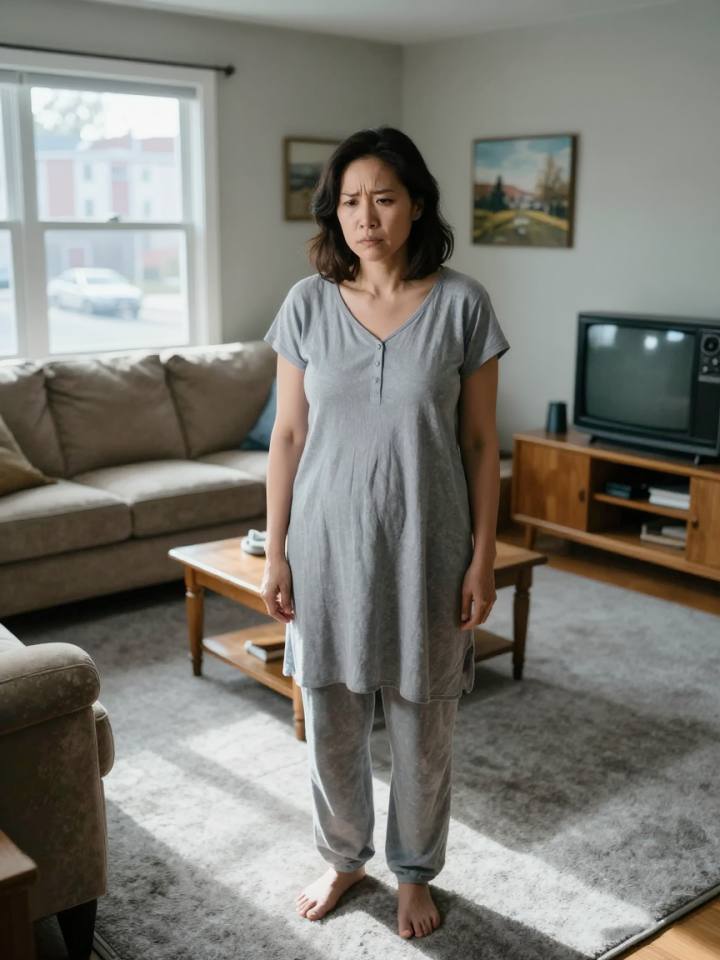 疑保姆当内鬼窃走家财 纽约华裔吁侨胞引以为戒 A New York Chinese family suspects their nanny of being an inside agent who s
纽约皇后区法拉盛华裔家庭12日向辖区109分局报案,指遭到住家保姆偷盗,损失现金、钻戒、珠宝、手表总价值上万美元。该名入住照顾小孩的“刘阿姨”是受害家庭登
-
 美打击“生育旅游”余震未了 纽约月子中心谨慎运营 The aftershocks of the US crackdown on "birth tourism" continue,
美国执法官员上周突查加州南部的37所“月子中心”,一时间令赴美生育的孕妇变得人心惶惶。作为美国月子中心数量仅次于加州的纽约,目前多家月子中心仍在正常营业
-
 海外坐月子没合适月嫂?别再为海外家政 “碰运气”!Having trouble finding a suitable postpartum caregiver while living abroad?
在纽约的公寓里,新手妈妈林女士对着冰箱里的食材一筹莫展——本地月嫂不懂"月子餐"的精髓;曼哈顿的李先生家里换了三个保姆仍不满意,温哥华的张夫妇更曾因雇佣
-
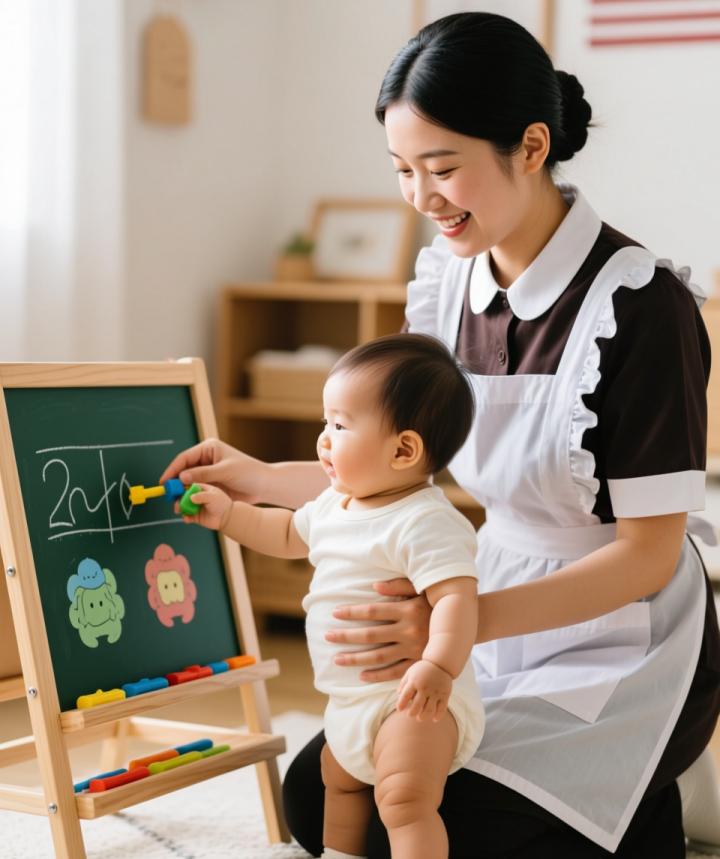 华人保姆大军,走出国门,迈向美加澳 A large contingent of Chinese nannies is venturing abroad, heading to the United S
在澳大利亚,美国,加拿大等,雇佣来自国内的华人阿姨已成为许多家庭的常见选择。这些阿姨通常以亲戚探亲的名义来到海外,实际上是作为住家保姆在工作。相比之下
-
 纽约掀雇佣普通话保姆热潮 合格者年薪15万美元 New York is experiencing a surge in demand for Mandarin-speaking nannies, wi
据纽约一家家政服务中介机构“Pavillion Agency”介绍,每过几年,普通话华人保姆会掀起一阵热潮,一位符合条件的保姆年薪可达15万美元(约合人民币100万元),格
 纽约法拉盛月子中心(会所)说
 0 评论
0 评论  旧金山的月子中心会所
 纽约招聘保姆网
 曼哈顿爱心月子中心